
Measuring Small Dogs for a Muzzle
Extra Considerations for Tiny Faces, Big Feelings & Fluffy Coats 🐶
Measuring a small dog for a muzzle can come with a few unique challenges. Tiny faces, fluffy coats, prominent eyes and sensitive handling can all make the process feel a little more complicated, but with the right approach, it can absolutely be done gently and accurately.
This guide works alongside our existing muzzle measuring guides and adds extra considerations specifically for small and small-medium breeds such as Cavaliers, Cockapoos, Miniature Schnauzers, Pug crosses, Terriers, small Spaniels and similar dogs.
As always, the goal is not just accurate measurements, but a dog who feels safe and comfortable throughout the process 💛.
Why Measuring Small Dogs Can Be Different 🐾
Many of the same measurements still apply when fitting a small dog:
• Muzzle length – from waterline to tip of nose
• Width – straight across the widest points of the cheeks
• Height – top to bottom of the muzzle, plus pant space
However, smaller breeds often need a more delicate approach because:
• Large measuring tools can feel intimidating
• Hands close to the face can feel overwhelming
• Millimetres make a much bigger proportional difference
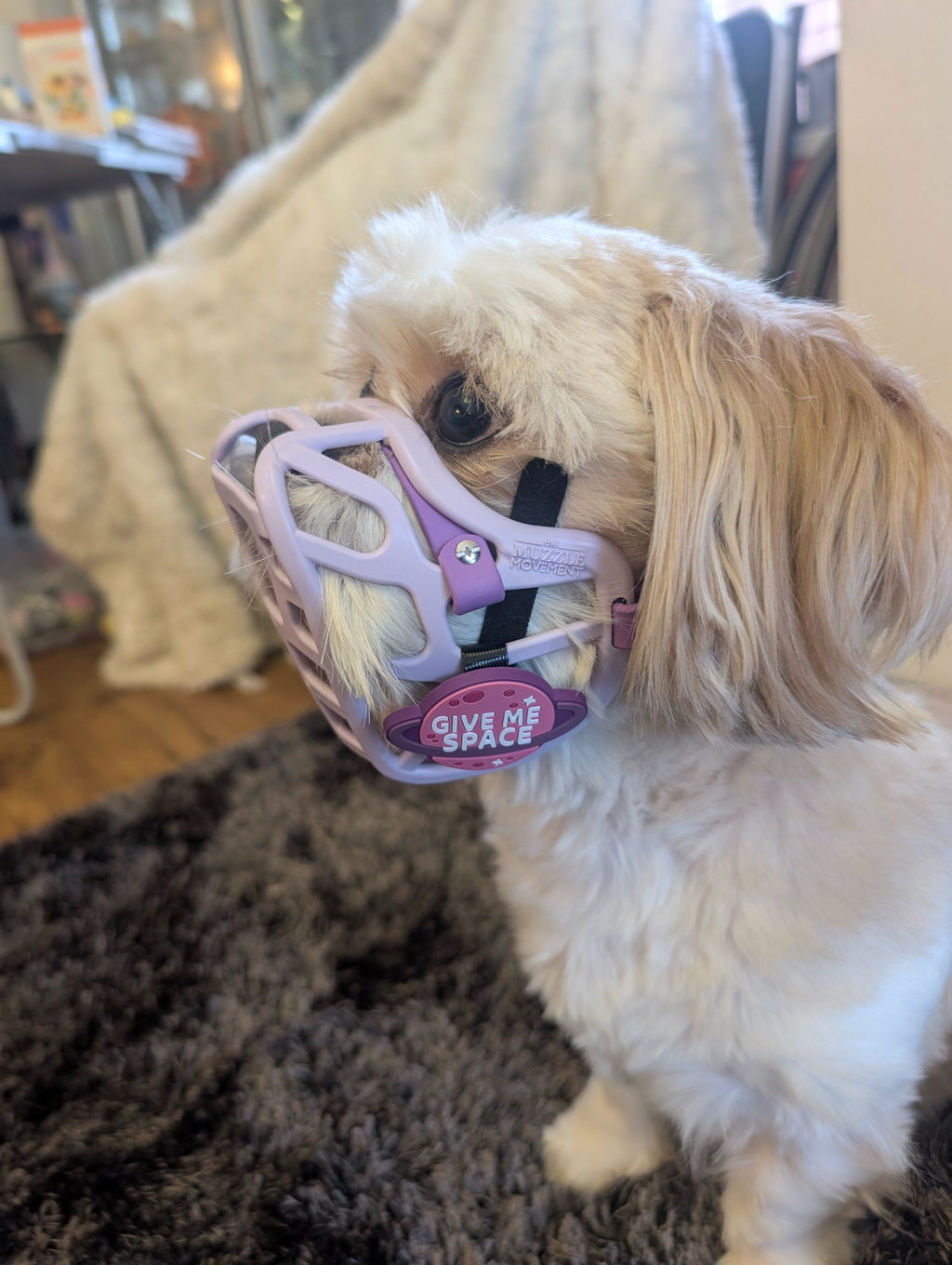
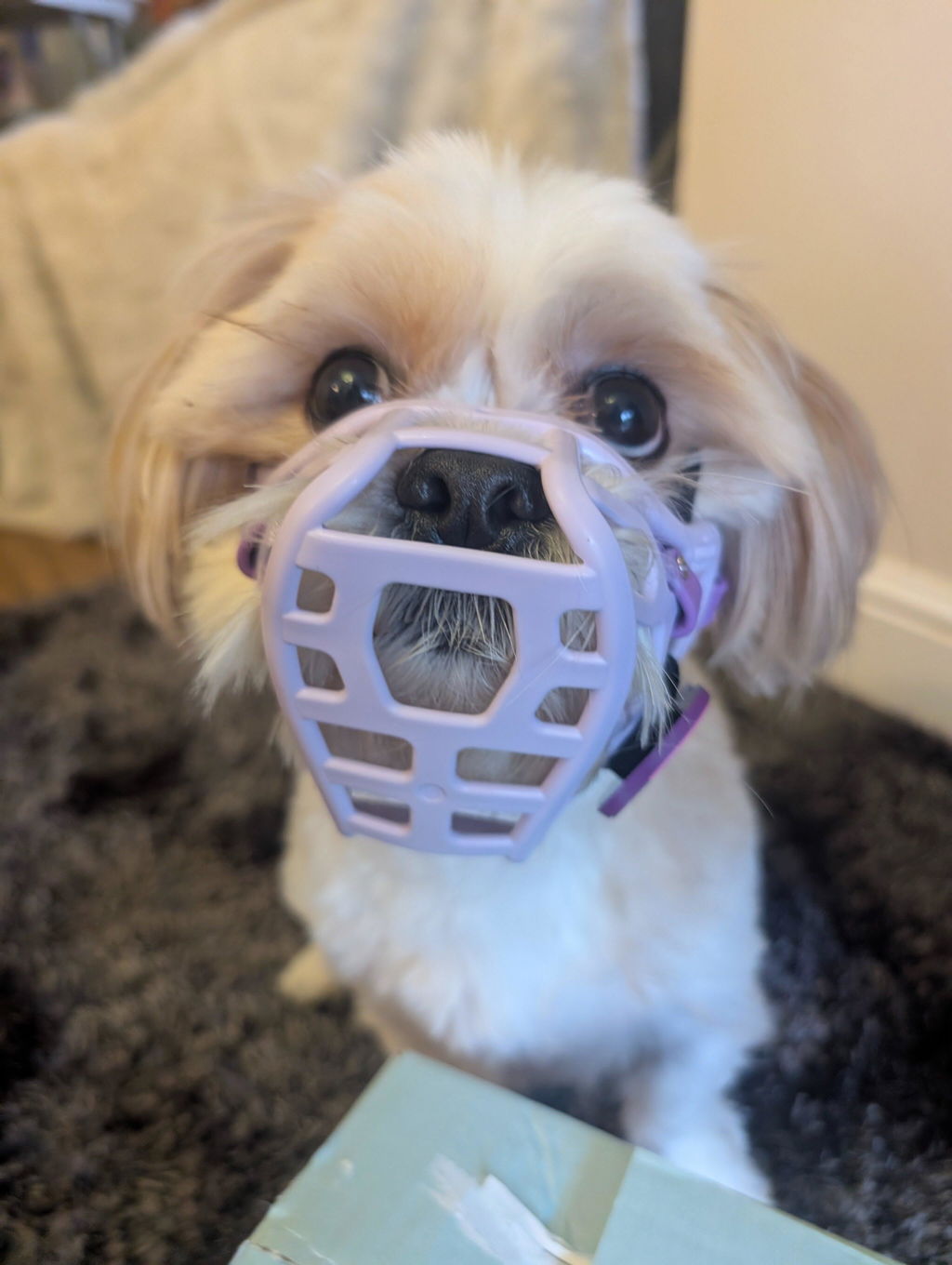
• Fluffy coats can dramatically affect fit
• Prominent eyes or shorter faces need extra care
• Some dogs may have undershot jaws that change how length should be measured
Taking things slowly and making the process positive can make a huge difference
Small dogs are also often physically handled more by humans, picked up, repositioned or restrained, which can sometimes make them more sensitive to face handling or measuring equipment.
Choosing the Right Measuring Tools 📏
Large rulers or bulky tape measures can feel intimidating when brought close to a tiny face. For many small dogs, softer and gentler tools are much easier to tolerate.
We often recommend:
🐕 String or wool as a measure
Using string or wool can be especially helpful for nervous dogs, as it feels far less intrusive than hard measuring tools near the face.
⚠️ If using a ruler
• Avoid placing it directly against the face where possible
• Use narrow, shorter rulers rather than large rigid ones
• Keep movements slow & predictable
📏Try and stay calm
The calmer and less invasive the measuring process feels, the more accurate your measurements are likely to be.
Creating a Comfortable Measuring Environment 🛋️
Before measuring, think about how your dog is feeling emotionally. A relaxed dog will usually give you more accurate measurements than a worried or frozen one.
Try:
• Measuring in a quiet room
• Using a non-slip surface
• Allowing the dog to sit beside you rather than being restrained
• Measuring on a sofa or lap if your dog feels safer there
• Avoiding looming over your dog
• Taking regular breaks
• Pairing the process with treats and praise 🍖
Some dogs cope best with measurements taken gradually over multiple short sessions, and that is completely okay.
Watch for Subtle Signs of Stress 👀
Small dogs can sometimes communicate discomfort very subtly.
Rather than obvious struggling, you may notice:
Freezing
Lip licking
Turning the head away
Whale eye
Yawning
Paw lifting
Moving away slowly
Stiff body posture
If you notice these signs, pause and give your dog a break before continuing.
Measuring should never feel like something being “done” to your dog.
🐕 Considering Small Dog Face Shapes
Some small breeds and mixes, including Cavaliers, American Cockers and many Pug crosses, can have prominent or sensitive eyes.Extra care should be taken when measuring around the face.
Undershot Jaws & Measuring Length
Many small and brachycephalic breeds can have undershot jaws, where the chin protrudes further than the nose. This is an important consideration when measuring muzzle length.
Typically, muzzle length is measured from the waterline to the tip of the nose. However, for dogs with undershot jaws:
• The chin may extend further than the nose
• The furthest protruding point needs accommodating
• Measuring only to the nose may result in a muzzle that is too short
In these cases, you may need to measure to the furthest point of the chin instead. This helps ensure the muzzle has enough internal length and avoids pressure on the jaw.
Helpful Tips
• Avoid bringing rigid tools close to the eyes
• Keep fingers away from the eye sockets where possible
• Avoid pressure across the bridge of the nose
• Move slowly and predictably
• Use soft measuring tools whenever possible
For these dogs, string or soft tape measures are often much easier and safer to work with than rulers.
Tiny Dogs & Measurement Accuracy 🎯
With smaller breeds, even a few millimetres can significantly affect fit. A measurement difference that may be minor on a large breed can completely change sizing on a tiny dog..
To improve accuracy:
• Measure carefully
• Repeat measurements where possible
• Avoid guessing
• Take clear photos and videos alongside measurements 📸
Photos and videos can be incredibly helpful for assessing proportions, coat volume and facial structure alongside the numbers themselves.
If you are ever unsure, our sizing support team can help review both measurements and images together
Fluffy Coats, Grooming & Seasonal Changes ✂️
Coat type can dramatically affect muzzle fit in smaller dogs.
This is especially common in:
- Cockapoos & Cavapoos
- Cavaliers
- Miniature Schnauzers
- Lhasa Apsos
- Spaniels
- Border Terriers
- Westies
- Other fluffy or regularly groomed breeds
A fluffy or thick coat may:
• Help “fill out” the muzzle
• Stabilise the fit
• Change how snug straps feel
After Grooming or Clipping
The muzzle may suddenly:
• Feel looser
• Move more
• Sit less stably
Some dogs who fit well while fluffy may benefit from a chin strap after being clipped shorter. This can help improve stability and keep the muzzle sitting correctly.
When submitting measurements or fit checks, it is always helpful to mention:
• Whether your dog has recently been groomed
• How much coat variation they typically have
• Whether they are likely to be clipped shorter soon
Gentle Handling Matters 💛
Small dogs are often more vulnerable to feeling overwhelmed by human handling simply because of their size. Hands moving toward the face can feel much more intimidating when you are tiny.
Keeping the process calm, cooperative and reward-based can help your dog feel safer and more confident..Whenever possible:
🐾 Let your dog choose to approach
🍖 Reward frequently
✋ Avoid physically restraining the head
💛 Keep sessions short and positive
Final Thoughts 🐾
Measuring a small dog for a muzzle may require a few extra considerations, but gentle handling, appropriate tools and attention to individual facial structure can make the process much easier.
Soft measuring tools, careful handling around prominent eyes, consideration for undershot jaws and awareness of coat changes can all have a major impact on achieving a safe and comfortable fit.
And remember, you do not have to figure it all out alone.
If you are unsure about measurements, proportions, coat considerations or sizing, our sizing support team is always happy to help review your measurements alongside photos and videos to guide you toward the best possible fit for your dog 🐶