Other important information

Why we shouldn't be using muzzles to prevent our dogs from chewing

Why we shouldn't be using muzzles to prevent our dogs from chewing

by Clara Hewson on Nov 05 2023
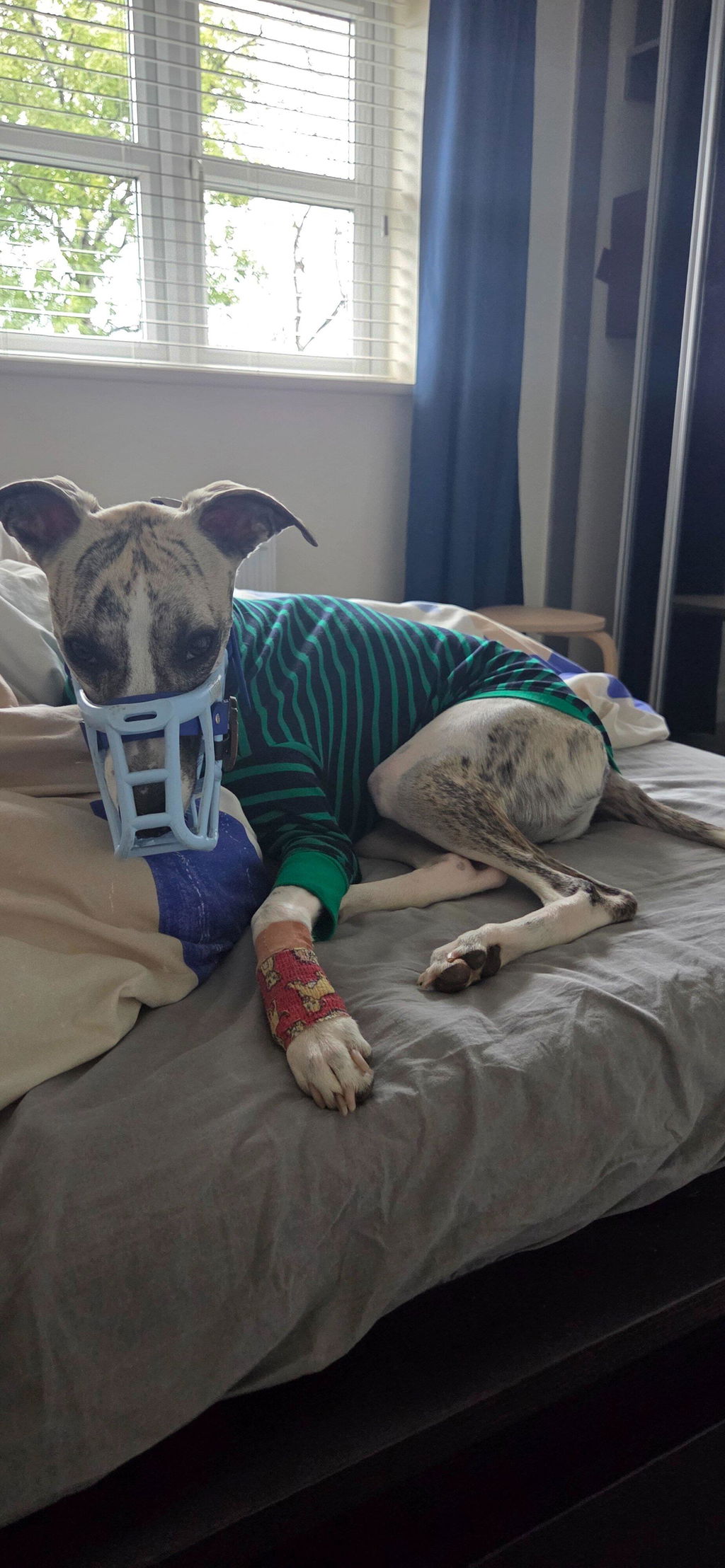
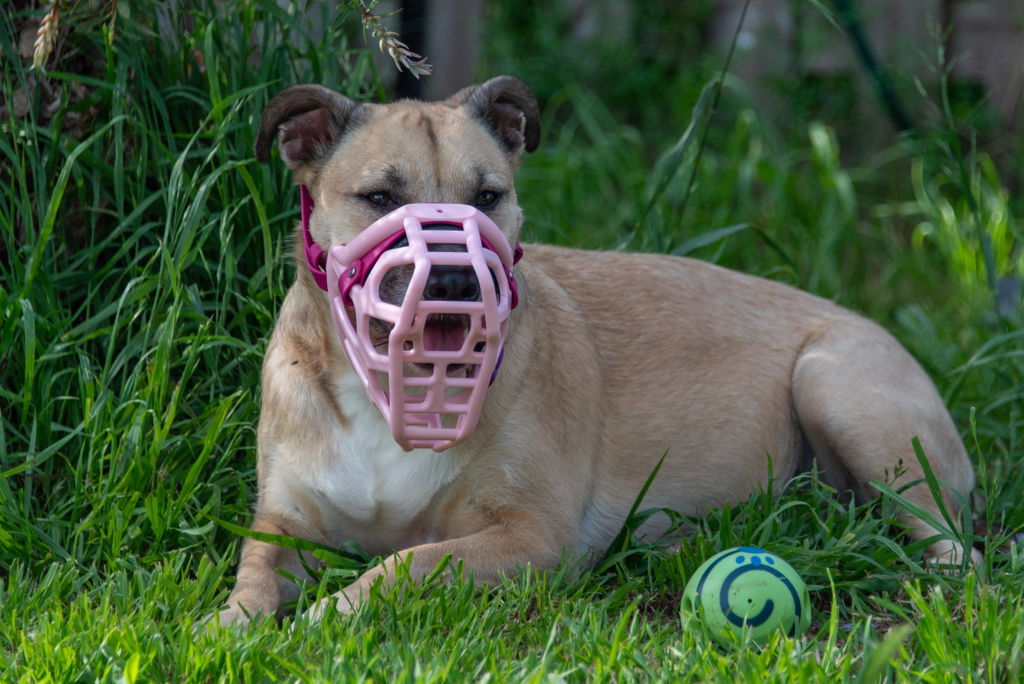
Why we should't be using muzzles to stop dogs from chewing We know that muzzles have a range of fantastic uses for dogs, from keeping dogs, people and animals safe, to preventing dangerous scavenging. A common use for a muzzle which we see is to prevent dogs from inappropriate chewing, however using a muzzle for this purpose doesn't get to the driver behind the behaviour - it just stops the dog from physically being able to chew. In this blog, you will find a comprehensive overview exploring the implications of using a muzzle to prevent a dog chewing.  When a dog starts destroying household items that are expensive or hold sentimental value, it is often considered inappropriate. But this may be dependent upon the humans expectations, as some may not be concerned about the occasional spontaneous shoe explosion. However, chewing becomes of particular concern when the items can harm them, such as electrical cords, toxic plants, or sharp objects. This behaviour is increasingly concerning if the dog is or is likely to ingest the items that it chews.   In addition, if a dog repetitively chews objects to the point where it interferes with their daily routine, such as eating, playing, sleeping, or interacting with people, it may be indicative of compromised welfare. Some dogs may develop destructive chewing habits because of feelings of stress or boredom.   A dog chewing inappropriate items can sometimes be indicative of an underlying medical condition. There are several medical conditions that can lead to increased chewing behaviour in dogs, such as dental problems, gastrointestinal issues, nutritional deficiencies, and allergies.   When a dogs chewing is considered inappropriate It is important to consult with a qualified, ethical professional such as a veterinarian and/or Behaviourist to rule out any potential medical causes for the behaviour and to develop an appropriate treatment plan.  Muzzles are a great tool to help aid training in many contexts, such as dog interactions or vet trips. Muzzle use is appropriate if the guardian is going to be present, the muzzle is well fitting, and the dog is properly conditioned to wearing a muzzle in advance. Many will choose to utilise a muzzle as they continue to progress through a training plan, which can include prevention of ingesting dangerous items, or to prevent chewing, when supervised, in the short term - alongside a comprehensive plan written by an ethical canine professional.  However, muzzles should not be used to inhibit a dog from performing a natural normal behaviour – unless that behaviour is putting the animal at risk, and then the muzzle would only be appropriate as part of a wider training programme and the dog never left unattended.   Inappropriate Chewing, such as when the dog is home alone, is likely an attempt to feel better. By placing a muzzle on the dog, it will prevent them from being able to chew, but it won’t stop the dogs need to chew.   If the dog is using chewing as a coping mechanism for feelings of frustration, anxiety or boredom and we don’t provide them with that outlet, there is a risk that the dog will find other inappropriate coping mechanisms and it is likely that once the muzzled is removed, the chewing will continue or may even cause the chewing to escalate further. Medical Considerations There are a wide variety of compelling reasons as to why we shouldn’t muzzle a dog to prevent chewing, but particularly without a guardian present.   For example, the dog may start to panic, attempt to remove the muzzle, or begin chewing the muzzle itself. Without a guardian to remove the muzzle, this could potentially lead to the dog injuring themselves.   This could involve them using their paw to try and remove the muzzle, which may lead to them getting a claw caught and causing damage to their claw, paw, and mouth.  The dog could move their head around excessively to remove the muzzle. This could lead to a strain in the neck and back area if this took place for extended periods of time.  They could rub their muzzle against objects, getting the muzzle caught which could in serious cases lead to strangulation. In less serious cases could result in facial irritation, hot spots, or sores.   The dog may chew and ingest parts of the muzzle itself which could have medical implications.   The risks of using a muzzle to prevent chewing increase further if the muzzle is poorly fit and doesn’t allow the dog to perform vital behaviours such as chewing, drinking, and eating.   And finally, a dog could be chewing excessively due to pain or discomfort. Ignoring this might lead to further medical implications as well as continued compromised welfare.  Behavioural Considerations Placing a muzzle onto a dog to prevent chewing is ignoring why a dog is chewing, and there are many potential motivating factors to consider.   If a dog is chewing when a guardian leaves the home, chewing may be an attempt to reduce stress and help relieve anxiety, which could result in further distress if the dog is then muzzled an unable to self sooth. In addition, the dog may learn that the muzzle is a pre-curser to being left unattended which is likely to cause negative associations with the muzzle rendering it unusable in the future alongside not helping to change the way that the dog is feeling when they are left.  If dogs are chewing due to feeling under-stimulated or bored and we muzzle them, we are limiting their access to appropriate outlets, which could lead to increased boredom and potentially even barking as their physical and mental needs continue to be unmet.  Chewing can be a displacement behaviour if a dog is feeling frustrated. Placing a muzzle on a dog who is chewing due to feelings of frustration is likely to cause further frustration, because they are no longer able to access something they needed to help regulate their emotions. Which may result in other frustration related behaviours such as barking, jumping, restlessness, pawing, scratching or even continued and more vigorous attempts to chew – either with the muzzle on, or once the muzzle comes off.   We also may inadvertently cause a dog to feel frustrated when they weren’t previously by adding a muzzle and their expectations of being able to pick up, chew or carry objects no longer being met. Or alternatively frustration caused by a new lack of autonomy, due to feeling stuck or trapped in a muzzle that they themselves cannot remove.   Some dog’s love to chew and explore with their mouths more than others and find it fun. Age should be taken into consideration, and it is normal for puppies and adolescent dogs to use their mouth to explore the world. By preventing exploratory behaviour or not providing alterative safe outlets, we are thwarting learning opportunities and potentially missing indicators that our dogs are feeling unfulfilled.  If a muzzle is not properly conditioned and fit, or the dog feels that there is no way out of their current situation (in this case, out of the muzzle) they may not feel they are able to perform normal dog behaviours. As a result, the dog may experience ‘learned helplessness’ where they no longer attempt to perform normal behaviours, which could result in the dog not feeling comfortable enough to move, drink or eat.   Alternatively, behaviours may be temporarily suppressed, but reoccur later either in the same form such as increased intensity of chewing once the muzzle is removed, or in other inappropriate ways such as chewing is perceived as no longer available and therefore begin jumping, grabbing, and mouthing once the muzzle is removed.   Additionally, dogs may or may see a muzzle being placed on as punishment, especially if there has been no previous muzzle training and the muzzle only appears when chewing starts. The consequences of a dog feeling uncomfortable in a muzzle particularly if it is continuously forced upon them, is that they will become fearful and avoidant of the muzzle. There may be increased sensitivity around the head and neck area. Which may lead to further issues if the dog were to need their ears, eyes, neck area to be examined and receive future medical treatment such as eye or ear drops, kennel cough vaccines or oral health checks. Fear or dislike of the muzzle may also impact your ability to use a muzzle again in other contexts which could mean you are unable to get one on in a legitimate situation such as a medical emergency.   And finally, arguably most importantly, inappropriate muzzle use could result in a breakdown in the relationship between dog and guardian, which can result in more challenging behaviours to navigate moving forwards.  AUSTRALIA Pet Professional Guild Australia IAABC *LIMA based approach, please research to check trainers with this accreditation are force-free* APDT Australia IMDT Australia EUROPE / SOUTH AFRICA IAABC *LIMA based approach, please research to check trainers with this accreditation are force-free* CABTi / COAPE UK ABTC APBC APDT UK IMDT PACT FABC CABTi / COAPE VSPDT / VSA-CDT PPG British Isles USA CCPDT *LIMA based approach, please research to check trainers with this accreditation are force-free* Fear Free VSPDT / VSA-CDT KPA-CDT PPG US Additionally, if you have concerns that there might be an underlying medical cause, or even if you feel there is a possibility, consult a with a veterinarian to determine if there is any physical pain or discomfort that might require treatment.   Your trainer or behaviourist may also advise you to:  Dog-proof your home: to avoid rehearsal of chewing inappropriate or dangerous items. For some dogs this is easier than others. For example, a prolific shoe chewer might benefit simply from the shoes being removed from the hallway, whereas a dog that’s chewing skirting boards or doors may need a more extensive behaviour modification programme – which should always be carried out with a force free behaviourists support.  Make sure their needs are met: a dog that feels unfulfilled is more likely to express unwanted or undesirable behaviours. Ensure that they have had adequate mental and physical stimulation, considering age, breed and individual preferences. Some dogs might need more exercise, others might need more human contact time, whereas others might need more sleep.  Increase Enrichment: outlets for chewing behaviour (such as long-lasting chews / boxes / variety of toys / interactive food toys that are appropriate for the dog's size and breed). But please note, when giving the dog enrichment this should be done with the guardian present initially to ensure that it is both safe and enjoyable for the dog and the guardian should assess which enrichment the dog loves to do. Enrichment should be easy for the dog to do initially; it should not be too difficult as this could lead to frustration.  Look for triggers: a really great way to get a head start with your trainer or behaviourist is by being able to track and recognise triggers for inappropriate chewing. Such as people walking by a window or someone leaving the home and where possible these triggers should be reduced or removed completely initially and re-introduced later with the support of your force free professional.   Limit alone time: particularly in the case of dogs that exhibit separation related behaviour, or we believe chewing to be associated with distress when left unattended, we may need to reduce or remove time spent alone in the short term. A dog walker sitter or walker could be useful and helpful to help break the day up for the dog while you are working with your trainer.   Teaching skills such as drop and leave: two useful skills that might help you better manage what you dog is chewing and prevent accidental ingestion due to humans applying pressure to drop or leave an item causing the dog to swallow in order to not loose it.That said, there are some very extreme cases where muzzles may be used to prevent chewing – so we also ask that you remain non-judgemental if someone says that they do. There are some serious, challenging, complex reasons that a guardian or trainer may resort to muzzling in an attempt to prevent chewing, but this should only be done upon the recommendation of a qualified ethical professional.    For example, if a dog’s life if in danger, such as chewing which results in self-injurious behaviour, the dog is recovering from a surgery to remove a foreign object and a second surgery is not possible, a dog has a severe medical condition or a dog that has a history of ingesting poisonous or hazardous items.  And even in these few extreme circumstances, the dog should still have a guardian present, and the muzzle be appropriately introduced and well fit. 
How much do The Muzzle Movement Muzzles weigh?

How much do The Muzzle Movement Muzzles weigh?

by Clara Hewson on Nov 05 2023
  We get asked about how lightweight our muzzles are, and the answer is; lightweight! We have compared all of our current muzzles, with the 25mm (12mm for small size Mia) nose band and no upgrades, so that you can take a look for yourself. Size Mia Pre-order only Customisable Muzzles Size Rex Customisable Muzzles Ready to Ship Muzzles Size Neli Customisable Muzzles Ready to Ship Muzzles Size Tolly Customisable Muzzles Ready to Ship Muzzles Size Taz Customisable Muzzles Ready to Ship Muzzles Size Sunny Customisable Muzzles Ready to Ship Muzzles Size Pippa Customisable Muzzles Ready to Ship Muzzles Size Harry 2.0 Customisable Muzzles Ready to Ship Muzzles Size Mitzy Customisable Muzzles Ready to Ship Muzzles It's hard to compare our muzzles to some other brands, because our muzzles are designed to provide your dogs with adequate pant room. So a muzzle of another brand that fits a similar dog, may be lighter because they are overall smaller due to not providing adequate room for your dog to be able to pant fully. Lighter by Design We designed our muzzles to keep weight to a minimum. In our comparisons with popular basket-style muzzles, most of our range comes in lighter, making them some of the lightest muzzles we’ve come across. Not sure which size is right for your dog? Take our muzzle measurements quiz
The Best Muzzle Options for XL Bully Breeds: A Comprehensive Guide

The Best Muzzle Options for XL Bully Breeds: A Comprehensive Guide

by Clara Hewson on Oct 31 2023
The Best Muzzle Options for XL Bully Types: A Comprehensive Guide At the Muzzle Movement we adore all bull breeds. In fact, Atlas, an honourable member of our MM team is an 11 month old large bull breed cross, and if you follow us on instagram, you'll know he is quite a cheeky chap! This ban is devastating for many dog guardians all over the UK, us included, as although Atlas isn't an XL bully, he may still fall under the broad type the government have defined.  We are heart-broken for anyone who loves or cares for an XL bully type in any capacity, and want to help guide you through appropriate muzzle options so you can make an informed decision. However, we would like to remind you that many dogs have and do wear muzzles full time, and still love happy, fulfilled, joyful lives.  All XL bully types will be required to wear a muzzle when out in public after the 31st of December 2023. This means that you need to introduce the concept of a muzzle to your dog way in advance of the date they are required to wear one. Muzzle training takes time, some dogs become quickly accustomed and comfortable wearing them for long periods relatively quickly. Whereas others who are particularly sensitive to novel objects and sounds, have had an aversive history with muzzles or have sensitivity around the face or neck, may need longer to feel comfortable enough to wear a muzzle outside of the home.  We have an inexpensive muzzle training guide available here, so you can get started from home. And we can recommend local trainers to help you should you need more in-person support.  In this blog post, we will explore the various muzzle options available for XL Bullies, highlighting their benefits and emphasising why it is essential to start muzzle training your XL Bully type as soon as possible.  We believe the best way to combat the association that Xl bully types, or any other muzzled dogs, are 'scary' or 'threatening' is to pick the most playful, fun, non-threatening muzzles.  When gentle, loving dogs are forced to wear muzzles by law, the best form of protest is pink, floral, fun muzzles.  The Muzzle Movement Muzzles   The Muzzle Movement doesn't make custom sized muzzles, instead we have standard sizes and determine which muzzle is suitable by measuring your dog's head and comparing it to our pre-existing range. We are a small start up, that is always introducing new sizes and designs, however we do have one size that may be suitable for XL bully types, called 'Harry'. Atlas is wearing a prototype of this new size in the image above. Harry was designed with bully breeds in mind, and ensures they are provided with adequate pant room, easy treat delivery, the ability to drink as normal and we help to combat this silly ban, by providing you with lots of fun and playful colours, to help minimise the 'scary-ness' of muzzled dogs.   However, this size won't be suitable for ALL bull breeds. As we all know, there is huge variations between different bully types. We have some Xl bully guardians using the size 'Sunny' to train with, since Size Harry didn't begin shipping until December. This size is however going to be too long to use outside of training sessions for most XL bully types. We also have new sizes coming in 2024 that may be more suitable - so sign up to our mailing list to be notified!  Take our muzzle measurement quiz here to see what size muzzle you need for your XL Bully Type.  In the meantime, here are some more brands to consider! Please note, not all brands mentioned below align with our commitment to kind, ethical training methods. We would prefer to only recommend other force free brands, but we also want you to get the best muzzle for your dog so will mention other brands that promote aversive tools, methods and practices and let you make an informed decision.  Custom fit muzzles  For XL Bully types with unique head shapes, custom-fit muzzles are worth considering. These muzzles are specifically tailored to your dog's measurements, so should fit those extra large heads. The muzzle in this image is a custom Vinyl muzzle, there are many custom Vinyl makers but here are a few you might want to check out, if your pup falls outside of our size Harrys recommended range.  https://www.pawfectfit.uk/ https://trust-your-dog.com/en-gb Another custom option is Biothane muzzles, which are fun, colourful and flexible, making them a nice alternative particularly for dogs that are required to wear a muzzle due to BSL and don't need muzzles to help mitigate risk or reduce the likelihood of a bite.  Here are a few you might want to check out, if your pup falls outside of our size Harrys recommended range.  https://minkymuzzles.co.uk/ https://bumas-muzzle.com/en/ However, custom muzzles can be expensive due to them being hand-made to measure, so here are some other pre-made alternatives! Wire baskets  Although perhaps further perpetuating the myth that muzzled dogs look (or are) scary, wire basket muzzles can be affordable and still have a large size range.  Please note though, most wire basket brands don't account for pant room when recommending muzzle sizes - you need to make sure you include pant room when selecting a muzzle, and don't base your selections on the breeds the muzzles are named after - this is not an accurate way to know if a muzzle is right for your dog! Get more info on how to select a well fitting muzzle for your dog here. https://www.fordogtrainers.co.uk/ https://www.ljpetsuk.co.uk/ Lightweight plastic  Looking for a cheap, inexpensive training muzzle then you might want to consider a lightweight plastic muzzle! These muzzles might not provide some dogs with room to pant fully, but they are cheap and quick to get so make a great starting point for those who want to get stuck in now, or cant afford anything further just now. https://www.themuzzleshop.com https://companyofanimals.com/uk/brand-product/baskerville-ultra-muzzle/ Please remember - if your budget is small, there is no need to rush and invest in your perfect muzzle straight away. We can all only do what we can with the resources available. If you need to get a temporary muzzle for now, you can always upgrade your muzzle again after the 31st of December.  This type of muzzle is not suitable for long term wear.Soft muzzles, made from materials like nylon or mesh, are designed to be used for short periods. They are not suitable for any dog to wear for longer than 5 minuets, due to restricting the dogs ability to open their mouths and pant comfortably.  We would not recommend even training with a muzzle like in the image above. Thank you for taking the time to read through, the upcoming XL Bully muzzle ban in the UK is upsetting for everyone, but we hope that in amongst this terrible situation a light can be shone on all muzzled dogs and their responsible humans. Showing everyone that a muzzle is not a 'life sentence'. Many dogs can and do live happy, fulfilling lives wearing muzzles.
How The Muzzle Movement muzzles are made?

How The Muzzle Movement muzzles are made?

by Clara Hewson on Sep 13 2023
How our Muzzles are made This is the first of a series of blog posts showing you the behind the scenes process, how we got to where we are and what steps we have learnt along the way!  This time we are going to walk you through our design to manufacture process from start to finish! Remember the muzzle movement is only just 2 years old, prior to this we had never ran a business before! Let alone launched an entirely new, ground breaking product!  We had to learn everything as we went, we don't have any angel investors, or silent partners. We are a tiny team, but we have got big dreams!! We start with measurements based on a 'type' of dog we would like to create a size for, this is usually based on customer feedback but sometimes because we feel this is a size that is likely to be popular. We begin creating a 3D model of this size, at this early stage we aren't worried too much about the 'aesthetics' we are really focused on making sure that this muzzle is going to be functional and fit the dogs that we wanted it to.  Sometimes this is easy, if we are releasing a size that is closely based on a pre-existing size but with some changes like additional pant room.  Other times, this is very challenging, because we are designing our muzzles from scratch, we aren't using another muzzle companies measurements or style, because we want to create something that is uniquely designed with the wearer in mind.  Stage 2. Print a Prototype Once we have an initial design we are happy with, we get this model 3D printed. Before we ever try this size on a dog, we look for obvious flaws in design like if the nose band will sit as intended, if there are any large gaps or holes that need to be made smaller, if there are any bars that are going to impact the dogs comfort and we go back to the drawing board and make any edits required!   We usually work our way through a couple of prototypes at this stage, without yet even trying them on the intended faces!  Stage 3. Rope in the Rescues Once we are happy with the basic shape and fit of the nose band, we will search through our contacts in rescue looking for dogs that fit within our anticipated range!  We then ask our friends to get us some video footage of the desired dogs doing some fun muzzle training. We try and make sure we get a variety of different dogs that we think are likely to fall within this new sizes recommended range. Some of these dogs are completely muzzle trained, others have never seen a muzzle before.  We would never ask anyone to put a muzzle on a dog, unless the dog was pre-conditioned to a muzzle and comfortable with the process. These prototype sessions are usually good fun for both the dog and the handler!  This stage can take weeks, as we are working with rescues, and due to having worked in rescue ourselves we know the time pressures that come with this type of environment!  We also ask our rescue friends for any feedback, such as was the treat hole in the right position and we usually ask for photos to better understand any feedback provided. Stage 4. Anyalysis We analyse the video footage, looking specifically at how the muzzle fits on the different dogs faces.   What we are look for at this stage is: - Do these dogs have enough room to pant? - Is the treat hole in the right postion? -does the muzzle fit well on the dogs cheeks? - Is the muzzle the right length? - is there anything that is obstructing the vision? - are there any areas where we think the holes are to big? - does the nose band sit correctly on the dogs face? - are there any other fit related concerns?  Usually there is lots of work that needs to be done! We will often go back to the 3D drawing and make lots of edits, before reprinting and starting the process over again, trying it on the same dogs a second time if we can, but hopefully by this stage they have gone home! So often it is a new lot of dogs!  These 4 stages can take months, usually we have a minimum of 5 different prototypes printed, before we release anything publicly!  Stage 5. Finalise before Launch Okay now we are confident we are on the final prototype, we do a few  things simultaneously!  1) We go back to our rescue friends and ask them to gather as much high quality video footage and photos as possible, and we start to explore family and friends who might have dogs that fit within this size range. The aim here is to begin gathering content to use to show you this size on social media.  2) we get the final measurements, including with the two different widths of nose band, and we upload these measurements to our pre-order store so people can pre order this size based on measurements alone (which should be all you need, as you cannot size based on breed!)    3) We do a size comparison on our instagram highlights, showing this size compared to our other pre-existing sizes, this is saved into our 'new size information' highlight. and finally 4) we add the final touches to the 3D model, such as branding, size name, bevel any edges, and make sure we are happy with how to muzzle looks aesthetically.  Stage 6. Raise the Funds The muzzle now begins the fund raising phase! Manufacturing an injection moulded muzzle is extremely expensive. The tooling for the injection mould costs around £18,000-£30,000 (per size!).  In order to raise these funds, we save money from the sales of our current sizes, but we also raise funds through pre orders. We set a target, which is usually the amount of muzzles we need to sell of this size, in order to be able to start manufacturing, to allow people to order their desired size, without being charged until the manufacturing process begins.   During this period of fund raising we are in discussions with our manufacturers to make sure that the predicted quotes don't change. As sometimes, it can take months from when we initially release a size for pre-order, to beginning manufacturing. And during this time there can sometimes be additional costs incurred such as the price of materials changing.  Stage 7. Target Reached We have hit our target and no have the funds we need, so we pay our manufacturers 50% upfront and start building the injection mould.  This is an extremely lengthy process and takes approximately 12-16 weeks, depending on the time of year and what other projects they have happening at the same time.  Throughout that 12-16 week period, we continue to gather footage of prototypes on dogs and promote across social media in order to raise the funds for the second payment which is due in order to begin making the moulds themselves.    Stage 8. Final Samples The injection mould tooling is finished! We now get what is called a final sample, which instead of a 3D print, is an injection moulded sample of our final product. this is the last opportunity we have to make any additional changes - and even then the changes that we can make at this stage are extremely limited and usually incur an additional fee. We use this sample to ensure that we have an accurate understanding of what the strapping and nose bands need to be and once we are happy we pay the second instalment and we proceed with making the moulds!    Stage 9. Action Sations! At this stage, it's all things go! We have lots to do, and very little time to do it!  Usually we have sold a huge number of muzzles in advance of the moulds arriving with us at our warehouse. Which means we have hundreds of different biothane parts to make!  So whilst we are busy making all the nose bands and straps, a stage that we can't do until we have had the final sample and are certain that all measurements are correct and final. This usually means that we have to rope in additional hands, like temporary workers, friends and family.  We also update all of the people that have pre-ordered this size, because ship date is now almost upon us! which means everyone needs to confirm their address hasn't changed and that they don't want to make any last min changes to their order.  Sneak Peek behind the scenes... At the same time, the manufacturers are injection moulding hundreds of muzzles!  Our muzzles are made from Polyethylene, which is a commonly used plastic that can be used for anything from food and drink containers to replacement knee joints! Each time the manufacturer switches the plastic colour, the machine has to be flushed clean. Which means that we have a minimum order we have to meet, we can't simply order 30 or 40 pastel pink, we have to make sure it's cost effective for both us and for them! This is usually costly, because although we have usually sold lots of muzzles at this point, we are normally ordering even more than we have sold.     Stage 10. Building & Shipping Now we have all of the biothane parts ready, the muzzles are delivered to our unit in the hundreds or thousands!  We now have the mammoth task of attaching all of the strapping, which is all done in house at our own unit. The reason we do this ourselves, is to give you the choice to pick everything from hardware colour, to biothane colour, to fastening type.  If we were to outsource this we would loose the ability to remain flexible and you wouldn't have the ability to design and choose your perfect colour scheme! Plus it's the best bit anyway! Making your muzzles by hand brings us so much joy! We have a number of different machines that help us save time, keep an eye our for a future blog where we can share the lessons we have learned along the way! 
Dogs wearing Dog Muzzles on a walk

Bite proof muzzles? Truth or Myth?

by Clara Hewson on Sep 13 2023
"Bite Proof" Muzzles    As muzzle brands, we are working alongside dogs that may pose a significant risk to themselves, or to others. Which means the stakes are high if you believe that a muzzle is ‘bite proof’, only to later learn that your dog can still bite. So, it is our point of view that muzzle brands (or those that recommend those brands as ‘bite proof’) should not be declaring muzzles to be ‘bite proof’ because they think a muzzle is strong, or they have had feedback from customers that dogs have attempted unsuccessfully to bite through their muzzle, in order to get more sales.     What does ‘bite proof’ even mean? ‘Bite proof’ is made up, with no dictionary definition, no outlined parameters and therefore no minimum standard. So in theory, any brand could call themselves ‘bite proof’ because there is no criteria for them to meet. There is no muzzle equivalent to the car harness’s crash test, or a leash tension meter. Let start by breaking down ‘Bite proof’ into its most simple terms. The word proof was originally used in the sense of a test of something—such as a test of quality, worth, truth, etc. However, it is now often interpreted as meaning the same thing as evidence. Bite is defined by the oxford dictionary as ‘to use your teeth to cut into or through something’ So – when we add bite and proof together, what do we really mean? Do we mean to say that we have evidence? – if so, what evidence  or ‘proof’ is considered suitable? Something we will cover later in this blog. For now lets focus on how we are going to define ‘bite’, despite the oxford dictionary definition, little research has investigated what people mean by “dog bite”, especially in light of frequently used language such as “nip” and “play bite” (Oxley et al, 2019) The Ian Dumbar dog bite scale (2016) defines a level 1 bite as aggressive behaviour but no skin-contact by teeth, a level 2 bite is considered skin contact by teeth but no skin puncture. Ian Dumbar found that levels 1 and 2 compromise well over 99% of dog incidents. But if we can’t all universally agree on weather we feel that level 1 or 2 are even considered a bite, then how can we know what we mean when we are looking for a ‘bite proof’ muzzle. For example, Oxley et al (2019) found that there was conflict surrounding weather a dog making contact with just a persons clothing was considered a bite. Furthermore, 81% of people considered a dog bite to be the teeth making contact and resulting in bruising, with or without skin puncture.  That means 19% of people asked didn’t believe a dog had bitten, unless there is skin puncture. Opinions also differed according to the perceived intent, for example if the bite occurred during play 45% of people felt that this would not be considered as a bite. And if a dog ‘did not intend’ (How do we know a dogs intent?) to bite a person, 41% agreed that this would not be considered a bite. For some people, bites which occurred during play are not considered “real” bites, whereas others stated that it was a bite regardless of whether the dog was playing. Westgarth and Watkins (2015) found that some people even contradicted themselves during interviews, giving different definitions of a dog bite when speaking about different events. While there is evidence that with increasing injury severity, there is increased consensus on what is considered a bite, definitions were more debateable where no injury occurred, or injuries were mild. Therefore, ‘Bite proof’ is a term that’s open for interpretation, its subjective and means different things to different people based on past experiences, learning, perceived intent, context, size of the dog and so much more! If we don’t have a clear, universal understanding of what is considered a bite. We cannot clearly state that a muzzle is or is not ‘bite proof’. A CHALLENGE FOR YOU... ...and once you have your definition of what you consider bite proof, drop it in the blog post comments!  Putting the proof in ‘bite proof’ Ok, now we have looked at the word bite, lets revisit the ‘proof’. As I mentioned, there is no standardised definition, or test that can be done to test ‘bite proof’-ness. A handful of customers feeding back that their dog was unable to bite through a muzzle, is not a representative sample. A demonstration of how non-flexible a muzzle is, is not representative of a dog bite, or longevity over time. A muzzle being made of a specific material is not representative of all muzzles – there is more than just the muzzles material that make them strong (or weak), a muzzles weakest points are the joints, the more separate parts and pieces joined together, the more room for error.   Tensile strength testing A muzzle company could tensile strength test, which is something we have explored extensively, and the issues raised below are all issues raised by plastics professionals that have led us to believe that even if we were to tensile strength test, we would be unfairly misleading you and miss-representing muzzle strength to gain sales, something we don’t feel is ethical or moral. Tensile strength testing will tell you the strength of the plastic (or metal), when stretched outwards or crushed from top to bottom - which may help you visualise how strong our plastic muzzles are! Which we agree, might make a flashy viral video and result in an increase in sales. But what it won’t tell you, is how that plastic holds under the force of a dog bite, which is what is important to you and to us. Because a dog bite is a pretty specific mechanism, without recreating a dogs mouth/jaws and putting it inside the muzzle, we wouldn’t be able to test how the front portion of the muzzle would withstand being pushed outwardly and clamped from the inside.   Replicating a dog bite We could make a mechanical dog jaw – again something we have discussed and explored extensively. However, there is still much research to be done exploring the bite force of different breeds and the multitude of factors that can impact bite force such as skull shape (Case 2013), Body weight (Ellis et al 2009), length of snout or even the task they have been bred for (Brassard et al 2020). Therefore, it would be nearly impossible to calculate what bite force to put the muzzle under and what breed that would represent. Even if we could devise a strength test with a mechanical jaw that we felt was representative of a dog bite, we would have to perform that test on each one of our sizes, with a huge variety of different pressures and different sized mechanical jaws at a huge cost, that may still not represent a live bite. This also wouldn’t be able to account for muzzle fit, what if someone had a large breed in one of our muzzles that was slightly too small, or a smaller dog in a muzzle slightly too large.. how would fit impact the strength of the muzzle? Something we can’t simulate with a mechanical jaw. We have also considered using real dogs, trained for bite work. Again, this would make an excellent viral video for social media and would atleast show that the muzzle could withstand a bite, from those individuals, in that context! However, would that be representative of a ‘normal’ dog in a situation where they felt their life was under threat? We don’t know. There is no research exploring bite force of dogs in ‘live’ bite situations, because its unethical to put dogs under real threat. However, what we do know that muscle volume impacts strength (Haxton, 1944) and exercise and training can improve jaw muscle function (Shirai et al, 2018) so it might be expected that the dogs trained for bite work have more powerful jaws? But what about health or age, there are simply to many variables to be able to achieve a realistic, representative sample, particularly because the number of dogs that would be comfortable with this exercise is already limited. Furthermore, this process would have to be repeated every time we released a new size, because the strength differs on muzzle size alone, and then consider the variety of breeds that fit within that muzzles size, accounting for gender, fitness, age you would be asking a huge number of dogs to attempt to bite through a muzzle – which may it itself have ethical implications. So in conclusion, no muzzle company has the ‘proof’ part of ‘bite proof’ which means claims are based on little to no evidence and not representative of the wider population. Therefore using the term ‘bite proof’ is a sales tactic, designed to draw in and convince customers to purchase on the basis of little to no evidence. Which is why we do not subscribe. From the research we have done, we are the first and only muzzle company to explore and explain the complexities of a potential ‘bite proof’ claim. This post also doesn’t dive into the legal implications, of which there are many! How muzzle use and maintenance impacts ‘Bite proof’-ness OK so perhaps you have an understanding of the concerns around ‘Bite proof’, but what about other factors you might not have considered. Think of a muzzle that you may have considered to be ‘bite proof’ and ask yourself If I consider this muzzle to be ‘bite proof’ now, is this muzzle still ‘bite proof’ in one years time? Three years time? How can we know...? Every dog’s experience whilst wearing a muzzle is likely to be wildly different. One dog might wear a muzzle during dog interactions including frequent, repetitive muzzle punches, one might avoid dogs all together. One dog might still attempt to pick up items, resulting in occasional muzzle smashes against the floor whilst another dog may never push their muzzle into the ground, even to sniff. One dog might have never attempted to bite through their muzzle, while another may have made multiple unsuccessful attempts – Is the muzzle that has had multiple attempted bites, muzzle punches, or ground smashes now compromised? Should we consider muzzles in the same way we do bike helmets? That once they have been damaged or undergone trauma, they need to be replaced in order to maintain ‘bite proof’-ness and therefore safety?     So even if a muzzle brand proclaims a muzzle is bite proof, what happens to that ‘bite proof’-ness over time? At what point is it no longer ‘bite proof’, and more importantly, does the muzzle brand define these parameters? Is it clear at what point your muzzle is no longer going to prevent a bite? Further considerations besides muzzle use, include how the muzzle is maintained. We know that plastics and metals can be impacted by a variety of different things, such as temperature or the products used to clean and maintain them. If a muzzle is considered ‘bite proof’ at point of purchase, then what are the recommended guidelines provided by the company to maintain its structural integrity? Avoid certain temperatures? Wash in certain products? If these aren’t clearly outlined then over time the muzzle will loose ‘bite proof’-ness, which should be clearly explained to the customer to avoid someone having a serious incident by falsely believing that their muzzle will prevent a bite forever. Another consideration is when muzzles are being modified, reshaped, bent or boiled. No muzzle company knows the impact that this has on the products strength. Its generally understood that when modifying a muzzle, the responsibility is no-longer with the manufacturer should the product then fail. But if brands that claim bite proof, are also suggesting you reshape or remodel, or a modification company has changed the model and resold on but still claim ‘bite-proof’ then at the very least the implications of doing such on the products integrity should be clearly stated. Further more, what about the fastenings? The muzzle itself might remain strong over time, but what about the strapping – leather can wear and tear, some cheap rivets can rust or decay, metal fastenings can be compromised by sand or salt water. Weakened hardware or strapping will impact the muzzles ability to withstand a bite scenario, so at what point are any of these components no longer considered appropriate to prevent a bite?      And finally, there is always going to be the possibility that in an emergency, a dog is able to get their muzzle off, or an element breaks or fails. We wouldn’t call a bike helmet ‘brain injury proof’ because things can still go wrong. Injury depends on the circumstances with a wide range of variables impacting the likelihood of a brain injury.   We should never be relying solely on a muzzle to prevent a bite. A muzzle is one of many forms of management, and should be used alongside other forms such as a lead, awareness gear, baby gates, consent based handling or by simply advocating for our dogs space. Emergencies happen and there are muzzles that are appropriate for higher risk dogs that may be considered more likely to prevent serious injury and we will have a follow up blog post discussing them.    In conclusion, here at The Muzzle Movement, we don’t believe muzzles can be responsibly described as ‘bite proof’. Our muzzles are designed to be strong, sturdy, and secure, our hardware and baskets are warrantied for life, and our muzzles have prevented dog bites. But that still does not meet what we believe to be the minimum standard of evidence to be able to say our muzzles are (or aren’t!) ‘bite proof’.       We are interested in your thoughts! So let us know in the comments!   References Brassard, C., Merlin, M., Guintard, C., Monchâtre-Leroy, E., Barrat, J., Bausmayer, N., Bausmayer, S., Bausmayer, A., Beyer, M., Varlet, A. and Houssin, C., 2020. Bite force and its relationship to jaw shape in domestic dogs. Journal of Experimental Biology, 223(16), p.jeb224352. Case L. P. (2013)The Dog: Its Behavior, Nutrition, and Health John Wiley & Sons Dunbar, I., 2016. Dr. Ian Dunbar's Dog Bite Scale (Official Authorized Version). Ellis, J.L., Thomason, J., Kebreab, E., Zubair, K. and France, J., 2009. Cranial dimensions and forces of biting in the domestic dog. Journal of Anatomy, 214(3), pp.362-373. Haxton, H.A., 1944. Absolute muscle force in the ankle flexors of man. The Journal of physiology, 103(3), p.267. Oxley, J.A., Christley, R. and Westgarth, C., 2019. What is a dog bite? Perceptions of UK dog bite victims. Journal of Veterinary Behavior, 29, pp.40-44. Shirai, M., Kawai, N., Hichijo, N., Watanabe, M., Mori, H., Mitsui, S.N., Yasue, A. and Tanaka, E., 2018. Effects of gum chewing exercise on maximum bite force according to facial morphology. Clinical and Experimental Dental Research, 4(2), pp.48-51. Westgarth, C. and Watkins, F., 2015. A qualitative investigation of the perceptions of female dog-bite victims and implications for the prevention of dog bites. Journal of Veterinary Behavior, 10(6), pp.479-488.  

Muzzle accessories explained!

Muzzle accessories explained!

by Clara Hewson on Jul 20 2023
Muzzle Accessories Explained You will see from our store that we have a huge selection of add-ons and accessories to buy alongside your beautiful new muzzle! In this blog, we will explain a little bit about what each item is and why you would use it!   Strapping & Accessories   Hardware & Replacement Strapping for Muzzles Keep your dog's muzzle secure, comfortable, and performing at its best with our range of replacement straps and hardware. Whether you're replacing worn components, making repairs, or upgrading your muzzle, you'll find everything you need in one place. Shop replacement Biothane straps, quick release clips, traditional buckles, and Chicago screws, all designed to fit The Muzzle Movement muzzles. Built for durability and everyday use, our replacement parts make it easy to maintain or customise your muzzle for the perfect fit. SHOP HERE Quick Release Clip Upgrade 🐾 Quick Clip - Fast, Adjustable, and Easy to Use Quick clips can be really useful if your dog wears a muzzle for certain areas on walks, or the muzzle is regularly removed and put back on. It can be helpful for dogs who have handling issues around their head and ears who may find the process of a buckle being done up too stressful, or for guardians/handlers who are unable to do up a more fiddly buckle.   All muzzles come as standard with a buckle fastening, with the option to upgrade to a quick release clip. Both fastening options are adjustable to ensure the perfect fit for your dog. To make quick clip upgrades adjustable, they include a Chicago screw, allowing you to secure the strap at different lengths easily. (This listing is for the quick clip only. You can add additional strapping or Chicago screws at the top of listing) For a step-by-step guide, head to our “How to adjust your muzzle” section here. This listing is for the quick clip only, with no strapping attached or Chicago screws. If you'd like additional strapping if you are upgrading your muzzle, you can find the quick release strap here or a muzzle strap complete set here. 🪛 Extra Chicago ScrewsYou can order a spare set of Chicago screws here in case you misplace any or want to add extra colour options to further personalise your muzzle. 💡 Chicago Screw Maintenance Tip: Our muzzles and accessories use durable Chicago screws. These can slowly loosen over time with regular use. 🛠️ We recommend checking screw tightness regularly.🧴 For a permanent hold, apply a dab of Loctite after achieving your ideal fit and colour combo. Looking for replacement muzzle hardware?👉 [Order spare parts here] Straps with a quick clip can still be adjusted in length: see the blog post showing you how here. Foam Padded Nose Band - Customisable 🐾 Foam Padded Nose Band – For Extra Comfort & Nose Protection Enhance your dog's comfort with our Foam Padded Nose Band. Designed for sensitive noses, it offers gentle cushioning and can be easily added to any of our dog muzzles. Shop Here 🔒 Why Add a Foam Padded Nose Band? Dogs with sensitive snouts or those who wear a muzzle for extended periods can benefit from added cushioning and protection. The foam layer helps reduce pressure and friction on the bridge of the nose, creating a more comfortable wearing experience - especially for dogs with minimal fur, prominent nasal bones, or previous irritation. ✨ Key Features: ✅ Perfect for sensitive noses✅ Extra comfort for extended wear✅ Compatible with any of our muzzles✅ Effortless installation with included hardware 🔄 How to Install To upgrade your muzzle with our Foam Padded Nose Band, simply remove your current nose bandand use the Chicago screws supplied to attach the new one. 🧷 If your existing nose band is attached with rivets, it will need to be cut off before installation. Head Strap 🐾 Optional Head Strap – For Added Stability & Comfort Our dog muzzles are fully functional without any additional straps, but we understand that some dogs (and their guardians!) prefer a little extra stability. 🔒 Why Add a Head Strap? Our breathable dog muzzles are designed to allow natural panting, which can cause subtle movement during activity. If your pup is particularly energetic or you're looking for maximum muzzle security, our optional head strap is a great addition. A head strap helps: ✅ Provide extra stability during walks, training, or play ✅ Make the muzzle feel more secure ✅ Reduce shifting and rotation ✅ Offer peace of mind for owners of strong or highly active breeds ⚠️ Note: A head strap may not offer added security for dogs with cropped ears, as there’s less surface area for the strap to anchor effectively. ✨ Key Features: 🔄 Removable and adjustable for a custom fit 🔐 Can be made non-removable upon request 🎨 Colour-matching options available to coordinate with your dog’s muzzle 💪 Enhances muzzle safety for working dogs, reactive dogs, and outdoor adventurers   It can also be helpful for shorter-nose breeds as it supports the muzzle where the dog's snout perhaps can't.   The head strap can also be attached to the collar rather than the strap of the muzzle, which would act as extra security to hold the muzzle on should the muzzle strap fail.     Chin Loop 🐾 Optional Chin Loop – Under-Chin Stability & Bounce Control Our dog muzzles are fully functional without any additional straps, but we understand that some dogs (and their guardians!) prefer a little extra stability. 🔒 Why Add a Chin Loop? Our muzzles are designed to allow your dog to pant comfortably, which may cause a small amount of natural movement. A chin loop offers extra stability by providing support from underneath. It attaches to the bottom band of the muzzle and loops through your dog’s collar, helping to secure the muzzle under the chin and prevent it from shifting or bouncing during wear. 📏 Measuring Tip:When measuring for a chin loop, make sure to measure the widest point of your dog’s collar this includes the buckle if it's needed to pass through the loop. Small (for up to a 2.5CM collar width) Standard (for up to a 5CM collar width) Large (for up to a 7CM collar width) ✨ Key Features: ✅ Can help prevent the muzzle from bouncing around on the face✅ Fits over a standard collar✅ Lightweight✅ Can match the Biothane colour✅ Chin loops can be attached to any brand of muzzle, not just our own   Muzzle Stop 🐾 Optional Muzzle Stop – For Added Stability & Comfort Our dog muzzles are fully functional without any additional straps, but we understand that some dogs (and their guardians!) prefer a little extra stability. 🔒 Why Add a Muzzle Stop? A muzzle stop can greatly enhance the stability and security of the muzzle when extra support is needed from the back. This is an especially good option for dogs who can flick the muzzle off from behind their ears. This Biothane piece features a figure 8 design, allowing you to loop your muzzle and collar through for added protection. 📏 Measuring Tip:When measuring for a muzzle stop, make sure to measure the widest point of your dog’s collar this includes the buckle if it's needed to pass through the loop. Small (for up to a 2.5CM collar width) Standard (for up to a 5CM collar width) Large (for up to a 7CM collar width) ✨ Key Features: ✅ Loop over your muzzle, and collar through so that the straps cannot be slid over the head✅ Standard Fits over a standard collar✅ Lightweight✅ Can match the Biothane colour✅ Muzzle stops can be attached to any brand of muzzle, not just our own   Chin Strap 🐾 Optional Chin Strap – For Added Stability & Comfort Our dog muzzles are fully functional without any additional straps, but we understand that some dogs (and their guardians!) prefer a little extra stability. 🔒 Why Add a Chin Strap? Our breathable dog muzzles are designed to allow natural panting, which can cause subtle movement during activity. Some dogs may find ways to nudge the muzzle with their paws, especially from underneath.If a head strap isn’t suitable, our optional chin strap is a great alternative. A chin strap helps: ✅ Prevent pawing from underneath to remove the muzzle ✅ Increase overall stability during walks, training, or rest ✅ Provide a more secure and comfortable fit ✅ Offer peace of mind for dogs who cannot use a head strap effectively ✨ Key Features: 🔄 Removable and adjustable for a custom fit 🔐 Can be made non-removable upon request 🎨 Colour-matching options available to coordinate with your dog’s muzzle 💪 Enhances muzzle security for escape artists, active dogs and paw-hookers   Scavenger Guards 🛡️ Scavenger Guard – For Safer Walks & Flexible Training Protect your dog from eating harmful or unwanted items on walks - without compromising training. The Scavenger Guard is a simple and effective dog muzzle add-on for guardians who want peace of mind. 🔒 Why Add a Scavenger Guard? Our patent-pending Scavenger Guard (2404638.5) is a clip-on accessory that attaches to the front of your muzzle, covering the treat hole and central front panel. It's designed to help prevent dogs from ingesting harmful items on walks while still allowing you to feed treats when it’s safe to do so. Adding a Scavenger Guard can: Block access to dangerous items during walks Help reduce the risk of ingesting inappropriate materials Help prevent any accidental ingestion before surgery and post-surgery interference. Improve peace of mind in high-risk environments ✨ Key Features: ✅ Clips on and off easily for flexible use🔇 Noise-free when attached to the muzzle🎨 Available in sleek black or colour-matched to your basket 📘 Need Help? Check out our “How to Adjust Your Muzzle” guide [here] for fitting tips and more accessory info. Don't worry about removing the muzzle - the guard clips on and off for convenient use. Allowing you to peace of mind when walking in areas where your dog is at risk, but still allowing you to train and deliver treats in safe contexts where the scavenge risk is low. Extra-secure scavenger guard Designed for determined scavengers, the Extra Secure Scavenger Guard offers our highest level of protection. This patent-pending accessory (2404638.5) provides added safety from both the outside and inside of the muzzle, giving you unbeatable peace of mind on walks. 🔒 Why Choose the Extra Secure Scavenger Guard for Your Dog? Some dogs are especially persistent when it comes to scavenging - picking up food, rubbish, or dangerous items off the ground. While our standard Scavenger Guard is highly secure, the Extra Secure version takes it one step further by anchoring from inside the muzzle. This unique internal fastening system means the guard cannot be removed unless the entire muzzle is taken off.  Adding an Extra Secure Scavenger Guard can: Block access to dangerous items during walks Help reduce the risk of ingesting inappropriate materials Help prevent any accidental ingestion before surgery and post-surgery interference. Improve peace of mind in high-risk environments Support behaviour training while keeping your dog safe Offer an internal locking layer for extra stability and control Reassure guardians of especially persistent scavengers ✨ Key Features: ✅ Internal locking system – cannot be removed without removing the muzzle🔇 Noise-free when attached to the muzzle🎨 Available in sleek black or a colour-matched option to your muzzle basket The Extra Secure Scavenger Guard is available in Rex, Neli, Tolly, Taz, Sunny sizes and in all 8 colour ways.   Hopefully you now know the uses of all the extra items available to go alongside your gorgeous new muzzle...happy shopping!   More Pawsome Stuff Available Biothane Collars & Leads Do you LOVE matchy-matchy dog gear? Us too! For a long-lasting, water-resistant, and effortless to maintain lead or collar that offers customisable colour and design options, search no more.  You can choose between a sleek block style or be bold and choose our dual tone option Get ready to make a statement and show off your unique style with our different color options! Either way, you'll be stepping out in style. Our Collars are available in 2 widths and 4 lengths, so make sure you measure before buying. We have a helpful blog on how to measure for a collar here.   Width 16mm25mm Size 21-31cm31-41cm41-51cm51-61cm   Looking for additional safety accessories to add your guardian or trainer toolkit? Check out Biothane Safety accessories here. ⚠️ Please Note All collars and leads are custom-made to order based on your selected colourway, size, and hardware. As such, these items are non-returnable. Thank you for your understanding. Dual Tone Dog Collars - Customisable 🐾 Dual Tone Biothane Collar - Unique Style Meets Everyday DurabilityTurn heads with this vibrant, customisable dual tone collar. Shop Here Crafted from premium Biothane, this collar offers the perfect blend of strength, flexibility, and effortless style whether your dog is on muddy adventures or strolling confidently around town. With two colour panels to choose from, you can mix and match to create a look that perfectly suits your dog’s personality. 🔒 Why Choose a Biothane Collar?Biothane offers all the strength and durability of leather without the maintenance fuss. It’s waterproof, dirt-resistant, and ready for every adventure, so your dog stays comfortable and looking fresh wherever you go. This collar is ideal for:✅ Daily wear in all weather✅ Active pups who love exploring✅ Guardians who want reliability and easy care✅ Dogs who love to look effortlessly stylish ✨ Key Features:📏 Available in a range of standard lengths and two widths (25 mm or 38 mm)🎨 Customisable dual tone design select a back panel colour and a main collar colour⚖️ Lightweight and flexible for all-day comfort🧽 Wipes clean in seconds 💪 Built to Last - Biothane BenefitsAll of our Biothane accessories are:💧 100% waterproof🌞 Fade-proof🧼 Easy to clean🪢 Tough and non-stretch🛡️ Abrasion resistant🦠 Bacteria resistant Block Colour Biothane Dog Collars – customisable 🐾 Block Colour Biothane Collar - Sleek Style Meets Everyday PracticalityThis no-fuss, block colour collar combines comfort, style, and durability in one perfect package. Crafted from Biothane, it’s tough, lightweight, and incredibly easy to care for - ideal for daily walks, muddy adventures, or just looking sharp around town. Durable yet simple, it’s your dog’s everyday go-to. No extra frills just functionality, comfort, and a clean, modern look. Shop Here   Block Colour Biothane Dog Leads – customisable 🐾 Single Colour Biothane Lead - Everyday Simplicity Meets Durability This no-fuss, single colour lead is a reliable, weatherproof alternative to traditional leather leads. Crafted from Biothane, it’s tough, stylish, and incredibly easy to care for, perfect for everyday walks, adventurous outings, and professional use. Durable yet simple, it’s your daily go-to. No extra bells and whistles - just functionality, comfort, and clean design. ✨ Key Features: 📏 Standard 2-meter length gives your dog room to sniff and explore, without losing connection📐 Choose between 16mm or 25mm width 🎨 Single colour design for a sleek, minimalist look🧽 Wipes clean in seconds  Shop Here Dual Tone Dog Leads - customisable 🐾 Dual Tone Biothane Lead - Standout Style Meets Everyday AdventureEnhance your dog’s style with this customisable, dual tone lead — a reliable, weatherproof alternative to traditional leather leads. Crafted from premium Biothane, it’s waterproof and easy to clean, making it the perfect choice for active pet owners and professionals alike. Shop Here 🔒 Why Choose a Biothane Lead?Biothane offers all the strength and durability of leather without the maintenance fuss. It’s waterproof, dirt-resistant, and ready for every adventure, so your dog stays comfortable and looking stylish wherever you go. This lead is ideal for:✅ Daily walks in all weather✅ Active pups who love exploring✅ Guardians who want reliable, easy-care gear✅ Dogs who love to look effortlessly stylish ✨ Key Features:📏 Standard 2-meter length gives your dog room to sniff and explore, without losing connection📐 Choose between 16 mm or 25 mm width🎨 Customisable dual tone design pick a base colour and an accent colour for a unique look🧽 Wipes clean in seconds Width 16mm25mm Lead Biothane Colour BlackGreyLight BrownMilitary OliveTealSage GreenSkyan BlueDark BluePeriwinklePastel PurpleAmethyst PurplePastel PinkMagenta PinkNeon PinkWineOrangePeachYellowRed Handle and Clip Tab Biothane Colour BlackGreyLight BrownMilitary OliveTealSage GreenSkyan BlueDark BluePeriwinklePastel PurpleAmethyst PurplePastel PinkMagenta PinkNeon PinkWineOrangePeachYellowRed   Complete your pet's look with our premium matching sets! Save 15% when you purchase our matching sets, which include a muzzle, collar, and lead. Available in all muzzle sizes for the perfect fit. Click here to elevate your pet's style and save. 🐾 Dog Muzzle, Collar & Lead Set  The Rex Dog Muzzle, Collar & Lead Set is the perfect way to keep your dog safe, stylish, and coordinated. This thoughtfully curated set includes a dog muzzle, collar, and lead for a complete look that’s as functional as it is fabulous. 🧩 What’s Included: ✔️ x1 Dog Muzzle✔️ x1 25mm Dual tone Biothane Collar✔️ x1 16mm Dual tone Biothane Lead All muzzles come as standard with: Basket Standard 25mm Noseband Adjustable Biothane neck strap Secure buckle fastening Riveted strap attachment Straps are permanently attached using rivets for strength and safety. They cannot be removed without cutting. Optional upgrades are available but are not required for full functionality.  🎨 Choose Your Colourway Select any colour for your strapping to suit your style. Your chosen main Biothane colour will be used for the accents across your set including the muzzle strapping, the backing of the collar, and the lead clip and handle tabs. The primary Biothane used for the collar and lead will match your muzzle colour, ensuring a cohesive and well-balanced overall look. 🌸 Pastel Pink muzzle → Magenta Pink Biothane (collar & lead)💙 Baby Blue muzzle → Skyan Blue Biothane (collar & lead)🪖 Khaki Green muzzle → Military Olive Biothane (collar & lead)🦚 Teal muzzle → Teal Biothane (collar & lead)🩶 Grey muzzle → Grey Biothane (collar & lead)💜 Lilac muzzle → Amethyst Purple Biothane (collar & lead)🧡 Orange muzzle → Orange Biothane (collar & lead) 🔁 Custom CoordinationLet your creativity shine go subtle or bold. Either way, your set will be balanced and professionally finished.   Biothane Long Lines Looking for dog Long Lines for training, safety, and everyday adventures? Our collection of durable, waterproof Biothane dog long lines combines strength, comfort, and reliability for every walk. Long lines are ideal for using in areas where dogs must remain onlead, whilst you are training your dog's recall, for dogs who have a high prey drive/unreliable recall or even for nervous dogs who could easily be spooked. Shop Here We advise only attaching a long line to a harness and never a collar or headcollar.    Available in 19 vibrant colours, they're ideal for recall training, off-lead practice, tracking, and giving your dog freedom while maintaining control. Available in 4 lengths to suit your needs. 4 meters6 meters8 meters10 meters Choose from three styles to suit your needs: a standard long line with a fixed handle, a handleless long line to reduce snagging, or a long line with a detachable handle for added versatility. Our detachable handle option is also colour customisable, allowing you to create a setup that's as unique as your dog. Easy to clean, weatherproof, and built to last, these long lines are trusted by dog guardians, trainers, and working dogs alike. Pair yours with our matching Biothane dog accessories for a practical, coordinated walking and training kit.   Biothane Safety Accessories Dog Safety Accessories – Upgrade your dog training gear or dog guardian toolkit with our essential dog safety accessories. Our durable Biothane grab handles, dog collar attachments, and dog safety straps are designed for everyday reliability, offering superior strength, water resistance, and easy cleaning. Whether you're training, walking, or in busy environments, these dog walking accessories provide added safety, and peace of mind. Discover our collection of high-quality dog safety gear and essential accessories built to last. Shop Here Biothane Grab Handle in 16mm or 25mm width 🐾 Grab Handle – For Versatile Support & Quick Access Our versatile grab handles, available in all Biothane colours and two width options, are a understated but essential addition to any dog guardian's or trainer's toolkit. Whether you're navigating busy environments, practicing training, or ensuring safety in high-pressure situations - this handy tool keeps you confidently connected to your dog. Shop here 🔒 Why Add a Grab Handle? A grab handle offers quick, close-contact support without the bulk of a full lead. Perfect for moments when you need to stay connected to your dog, respond in an urgent moment, or guide them through tight or busy spaces with ease. A grab handle helps:✅ Keep your dog close in crowded areas or near traffic✅ Offer easy access to your dog's harness or collar✅ Serve as a training aid to encourage focus and partnership✅ Provide a quick way to respond in urgent situations✅ Prevent lead tangles when dogs play off-lead✅ Act as an additional car travel helper - simply attach to a harness for smooth entries/exits. Biothane Safety Strap 🛡️ Biothane Safety Strap – Extra Security for Every Walk Peace of mind in a strap.The Biothane Safety Strap is an essential but often overlooked addition to every dog trainer’s or guardian’s toolkit especially for anxious, reactive, or escape-prone dogs. This strap adds an extra layer of security in case a harness slips, a lead clip fails, or your dog gets unexpectedly startled during a walk. Whether you're navigating busy streets, working with a nervous pup, or simply want the reassurance of backup protection, this strap offers versatile, no-fuss stability wherever you clip it. Shop here 🔗 Flexible, Multi-Use Design ✅ Clip from collar to harness for backup security ✅ Clip from collar to lead clip to prevent detachment ✅ Clip from lead to harness to form a safety loop ✅ Clip from collar to head collar for extra stability  ✅ Can even be used as an addtional safety strap in the car (note: not crash tested)   The Ultimate Muzzle Training Guide The Ultimate Muzzle Training guide is an instant digital download which takes you through the muzzle training process from start to finish and is the perfect addition when buying your new muzzle.   The Ultimate Muzzle Training guide is perfect for dog guardians of all skill levels and explains how to train your dog using force-free training methods. An easy-to-read, step by step run through from introducing your dog to their muzzle, all the way through to helping our dogs comfortably wear their muzzle forever. This guide is suitable for ANY muzzle, not just for our Muzzle Movement muzzles!  Once you have purchased the guide, you will automatically receive a link via email for you to download to your phone, tablet or computer – perfect for using on the go or printing out!  KEY FEATURES • Get started training straight away with this instant download! • Step-by-step guide from start to finish of muzzle training. • Available on the go on your phone or laptop - or print a hard copy.
Muzzle and hardware warranty and repair

Muzzle and hardware warranty and repair

by Clara Hewson on Jun 15 2023
Warranty & Repairs We understand that dogs (and the elements) can be tough on their gear. While we take great care to source only high-quality, durable materials, accidents can happen, and sometimes items break. The safety of you and your dog is our top priority, which is why we offer a lifetime warranty on all metal hardware and plastic baskets against breakage, for the lifetime of your dog, which we define as approximately 14 years. In the rare event that a metal or plastic component fails, we will repair it free of charge or, where possible, send a replacement. Please Note: If the item was received more than 30 days ago, the customer will be responsible for the cost of re-shipping any replacement or warrantied items. If your muzzle has removable accessories that can be transferred to the replacement item, these accessories will not be re-shipped or replaced. STEP 1 Email us at support@themuzzlemovement.com to let us know the problem you are having, include photos where possible   STEP 2 We will send you our address for you to be able to ship the product back to us. IMPORTANT! Please include your name and contact information in the parcel so that you can be notified when the item is completed or contacted if there are questions regarding your item. It is recommended that tracked shipping be used for sending items back for repairs. **INTERNATIONAL CUSTOMERS: Please mark your packages"return of goods" on any customs documentation to avoid the shipment incurring import taxes upon arrival to the workshop. All shipping costs for items sent in for repair are the responsibility of the buyer   STEP3 We will let you know how to pay for the item to be returned back to you once we receive it, and you will be charged once the item is ready to be shipped! Some repairs are not covered by warranty (chewing of biothane, muzzle etc.), however we are still happy to repair these items and give them new life! If the chew damage is impacting the Biothane on the muzzle, you can order replacement strapping HERE.  We can also resize an item if your pup didn't grow as much as you thought or they grew out of an existing collar. Simply reach out to us at support@themuzzlemovement.com and we can get a quote together.  Please note that the finish on plated metal hardware components can wear with use and change colour over time - this is normal and not covered by the hardware warranty. For safety purposes, dogs should always be supervised while wearing collars and muzzles. All fittings should be inspected regularly.
Measuring for a collar

Measuring for a collar

by Clara Hewson on Jun 15 2023
Measuring for a Collar There are a couple of options to ensure your new collar will be the ideal fit for your dog! The 'perfect fit' depends on personal preference, some guardians (and dogs!) prefer a looser collar, whereas dogs who are walked with a lead attached to their collar would need a more secure fit which they couldn't slip out of! Regardless of use, no collar should ever be too tight and we recommend being able to fit two fingers between the dogs neck and the collar to ensure it is comfortable. We provide 2 widths of collar, 1" (25mm wide) are suitable for medium-giant breeds, or some smaller breeds with long necks (whippets etc) and 5/8" (16mm wide) are suitable for small-medium breeds, or some large breeds who are not walked on a collar but have one for identification purposes.  To check the length of collar you need, you could measure your dogs existing collar (unbuckled or unclipped and laid flat) if they have one which fits well, and order one from us which is the same size. (Pic of quick clip collar being measured) If you'd prefer to measure your dog directly - here's our top tips! The measurements of our collars are the actual lengths of the collar, unbuckled and laid flat, from the buckle to the smallest hole and largest hole respectively.Therefore, you will need to add a couple of centimetres to their 'snug' neck measurement to allow for a comfortable fit.