Other important information

Why Muzzle Training Is a Valuable Life Skill for Veterinary Care

Why Muzzle Training Is a Valuable Life Skill for Veterinary Care

by Annie Dowell-Caffrey on Aug 27 2026
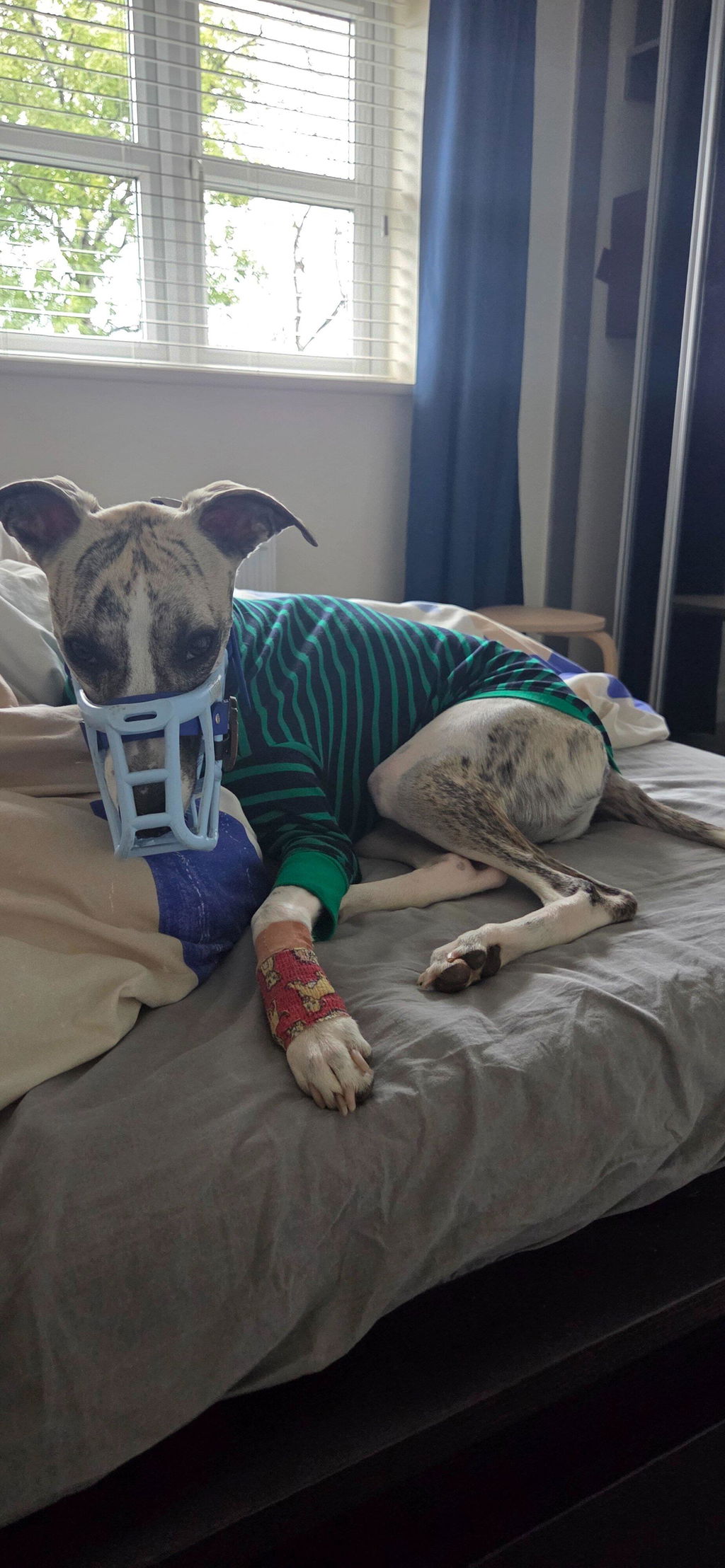
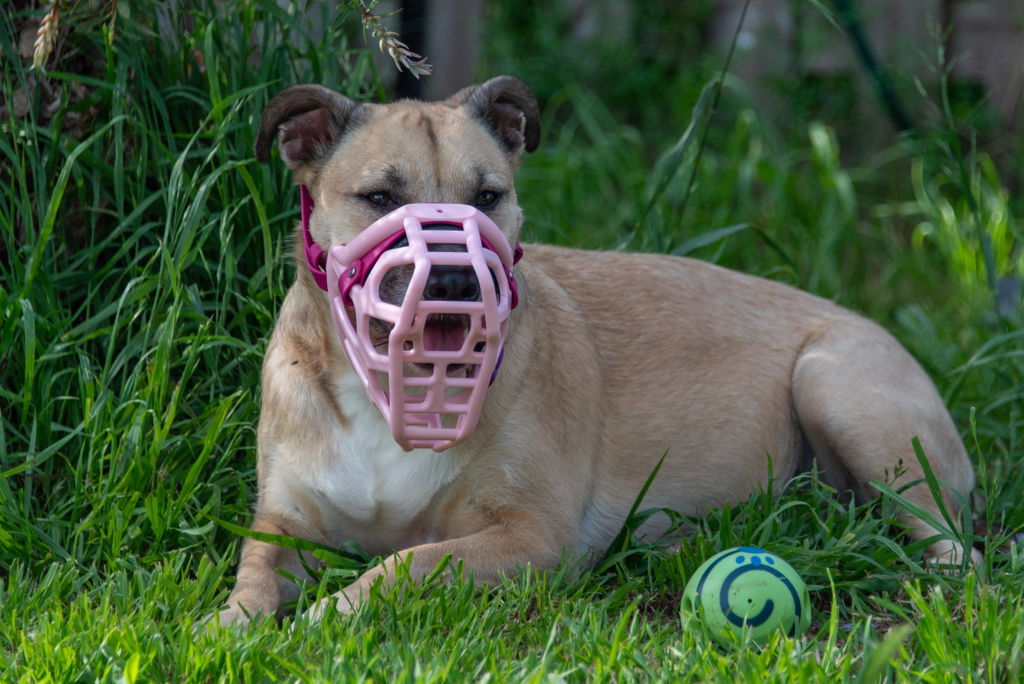
There are lots of reasons a dog might be asked to wear a muzzle at the vets. For some dogs, it's because they've previously used aggressive behaviour during veterinary handling. They might already find examinations frightening or difficult, and their veterinary team knows that dog muzzles are needed to help keep everyone safe. But that doesn't necessarily mean they've been muzzle trained. For many of these dogs, the muzzle only appears when it's needed. They arrive at the vets already worried, somebody needs to examine or treat them, and an unfamiliar muzzle has to be put on so that this can happen safely. If that's the only experience they ever have of wearing one, it's easy to see how the muzzle itself can become another difficult part of going to the vets. Positive muzzle training can change that. Instead of the muzzle being something unfamiliar that's put on during an already stressful situation, it can be their own, properly fitted piece of equipment that they've learnt to wear comfortably long before the appointment. Then there are dogs at the other end of the spectrum: those who currently love going to the vets, happily take treats from the veterinary team and have never shown any concern about being examined. We think muzzle training is a useful canine training life skill for them too. The important point isn't whether your dog uses aggressive behaviour now. It's that any dog may find themselves in a situation where wearing a muzzle would be useful, and we have an opportunity to prepare them for that before the situation arises. A dog who already struggles with veterinary handling benefits from learning that a muzzle doesn't have to be another frightening part of their appointment. A dog who currently loves the vets benefits from having the skill there in case injury, illness, pain or a frightening experience changes how they feel in the future. Hopefully, there will never be an occasion when your dog urgently needs to wear their muzzle. But if there is, having that training already in place means we're not asking them to cope with something completely unfamiliar at a time when they may already be frightened, unwell or in pain. Why Train for Something My Dog Might Never Need? For a dog who already finds the vets difficult, the reason might be obvious: we're trying to make something they may regularly need as familiar and comfortable as possible. For everyone else, it's easy to think, "I'll muzzle train if we ever need to." The difficulty is that the first time you need a muzzle isn't always something you can plan for. Your dog could injure themselves and need an uncomfortable examination. They could develop an ear or eye problem that makes being touched around their head painful. They could develop arthritis, dental pain or another condition that changes how comfortable they are with handling. A dog who has happily visited the same vet for years can also have one painful or frightening experience that changes how they feel about future visits. We aren't suggesting that every dog will eventually bite. We are acknowledging that pain, fear and stress can affect behaviour, and that a dog who would usually be perfectly comfortable being examined may have very different boundaries when something hurts. This is why we think muzzle training makes sense before there's a problem or, if there already is a problem, before the next time the muzzle is needed. Whether your dog has worn an unfamiliar practice muzzle ten times or has never seen a muzzle in their life, we can give them a better experience going forward. We can teach them what their muzzle is. We can make sure it fits them properly. We can introduce it gradually and positively, practise wearing it away from the vets, and make sure it doesn't only appear immediately before something difficult happens. Then, if the veterinary team does need your dog to wear one, the situation itself may still be stressful, but the muzzle doesn't have to add to it. Bringing Your Dog's Own Muzzle to the Vets There is another very practical benefit to preventative muzzle training: your dog can have their own muzzle, chosen and fitted specifically for them. Veterinary practices need to have equipment available for lots of different dogs, which means the muzzle offered in an unexpected situation may not necessarily be the best fit for your individual dog. A well-fitting basket dog muzzle should be comfortable and secure while providing enough space for the dog to open their mouth and pant appropriately. If your dog already has a suitable dog muzzle, you can bring it along to appointments. If the veterinary team decides they'd feel more comfortable examining your dog with a muzzle on, you've got something that fits properly and, just as importantly, something your dog already knows. It Can Make a Difference for the Veterinary Team Too Veterinary professionals need to be able to do their jobs safely, and that's an important part of this conversation. Even if your dog has never used aggressive behaviour before, the veterinary professional examining them doesn't necessarily know how they're going to respond when a painful area is touched. A familiar, comfortably worn muzzle can provide an additional layer of safety and may help everyone feel more confident about proceeding with necessary care. That doesn't mean a muzzle should ever be used as permission to ignore what a dog is communicating. A muzzled dog can still be frightened, overwhelmed and asking for something to stop. The UK's Royal College of Veterinary Surgeons (RCVS) specifically includes recognising and minimising fear and distress within its essential handling skills for veterinary nurses. Its guidance calls for restraint to be appropriate to the individual patient and situation, with consideration for the animal's emotional wellbeing.² This is an important distinction. A muzzle is a safety and management tool; it isn't a replacement for thoughtful handling. There will be times when a dog needs a break, a different approach, pain relief, pre-visit medication or sedation. Sometimes the best plan will involve a combination of these things alongside a muzzle. Research into lower-stress, collaborative veterinary handling supports this wider approach too, with dogs involved in collaborative examinations showing a greater reduction in physiological measures of stress over repeated visits than dogs receiving routine care.³ What If My Dog Already Struggles at the Vets? For dogs who already use aggressive behaviour during veterinary visits, being comfortable and confident in their own muzzle can be particularly valuable. If the only time a muzzle appears is immediately before something the dog finds frightening or painful, it's very easy for the muzzle itself to become part of that negative association. That's why we don't want dogs to only wear their muzzle when it's "needed." Once your dog is comfortable wearing one, make it part of ordinary life. They can wear it on walks, during canine training sessions or while doing something they enjoy. Give them treats through it and let them experience plenty of occasions where they wear their muzzle and nothing particularly interesting happens at all. Ideally, seeing their muzzle shouldn't tell your dog that something unpleasant is about to happen. The same principle can be applied to the veterinary practice. Speak to your practice and see what they are happy for you to do. Some may be happy for you to spend a couple of minutes in reception doing some training, or let your dog pop in wearing their muzzle, have some treats and leave again without anything medical happening. If your dog already finds veterinary visits very difficult, however, we'd recommend discussing this with your veterinary team and making a plan that's appropriate for them rather than repeatedly taking them into an environment they find frightening. Think About the Dog You'll Be Taking to the Vets in Five or Ten Years One of the biggest reasons we're so passionate about preventative muzzle training is that the dog you have today isn't necessarily the dog you'll be taking to the vets later in their life. A young, healthy dog who is perfectly comfortable being examined may eventually develop arthritis, dental disease, cancer, eye problems, neurological conditions or any number of other conditions that involve pain, discomfort or repeated treatment. As dogs get older, there can also be changes to their mobility, hearing, vision and cognition that affect how they experience handling and veterinary care. This doesn't mean we need to worry about all the things that might happen to our dogs in the future. It simply means we have an opportunity to give them useful skills while they're happy and healthy enough to learn them. It's much easier to introduce a muzzle gradually at home, with plenty of rewards and no urgency, than it is to begin after a diagnosis when your dog may already be uncomfortable and facing repeated veterinary visits. A diagnosis can also be a good prompt to start. If your dog develops an ongoing condition that is likely to involve regular examinations, treatment or uncomfortable handling and they aren't already muzzle trained, consider whether now might be a good time to introduce one, providing they're well enough to train. Veterinary Care Can Involve a Lot More Than One Examination Dogs managing injuries or ongoing conditions may experience much more handling than an occasional consultation with their vet. There might be physiotherapy, hydrotherapy, blood tests, dressing changes, injections, imaging, repeated examinations or hospital stays. Your dog may also need to be handled by several different people as part of their care. That doesn't mean they need to wear a muzzle for all of those things. They may never need it at all, but having a dog who is already comfortable wearing one means there's another option available if their feelings about being handled change. Dog Muzzles Can Have Other Uses in Veterinary Care Too We're also seeing veterinary professionals finding other practical uses for The Muzzle Movement muzzle within clinical settings. The treat hole incorporated into our muzzle, for example, is being used by veterinary professionals when managing dogs during extubation as they come round from anaesthesia. Recovery can be a time when responses are less predictable, and vets are finding the muzzle useful as an additional way of managing bite risk and helping to keep staff safe. There may also be circumstances where a suitable muzzle can help prevent a dog from interfering with a wound after surgery. Many dogs cope perfectly well with a traditional cone or buster collar, but others find them uncomfortable or frightening. Depending on the dog, the procedure and the location of the wound, a muzzle may sometimes offer another option to reduce wound interference. Dog muzzles can have other health-related benefits too. Dogs who scavenge, for example, can be prevented from picking up and eating things they shouldn't, which may become particularly important for a dog who needs a carefully controlled diet because of a medical condition. It's all part of the same bigger picture: muzzles aren't only about bites. So, Where Do You Start With Muzzle Training? First, choose a suitable, well-fitting muzzle. Your dog needs enough room to open their mouth and pant properly, and the muzzle should be comfortable and secure for their individual face. READ MORE Rather than simply putting the muzzle on and waiting for your dog to "get used to it," we want to build a genuinely positive association with wearing it as part of their wider canine training. Start gradually, reward interaction with the muzzle and work towards your dog happily putting their own nose inside. Only then do we begin building up fastening and wearing time. READ MORE There's no rush. The whole advantage of preventative training is that we're doing it when we don't urgently need the end result. Once your dog is comfortable wearing their muzzle, don't pack it away until something goes wrong. Keep using it occasionally during normal, enjoyable parts of life so it remains familiar, and don't forget the vets. If your dog is already comfortable at your practice, you could practise having them wear their muzzle for an ordinary appointment or ask whether you can pop in for a short positive visit. Hopefully, Your Dog Will Never Need It Muzzle training isn't about expecting our dogs to use aggressive behaviour but is about accepting that we can't predict every situation they'll find themselves in throughout their lives. We teach recall without expecting our dogs to run towards danger. We get them used to having their paws, ears and mouths handled because one day somebody might need to examine them. We teach them to travel, to wear a harness and to cope with all sorts of other things that make navigating a human world a little easier. We think being comfortable wearing dog muzzles belongs on that list of essential canine training skills. Your dog may go their entire life without needing one for veterinary treatment. If they do, the training hasn't been wasted; they've simply learnt another skill. But if one day they're injured, develop a painful condition, begin struggling with veterinary handling or need to be muzzled for a particular procedure, you won't have to introduce something completely unfamiliar at the same time. You'll be able to reach for their own familiar, properly fitted muzzle and remove one potential source of stress from an already difficult situation. Getting the Size Right Matters Most A muzzle can only do its job. and be comfortable,if it fits properly. Measure your dog then take our quick sizing quiz to find the right fit for your dog before you start training. TAKE THE SIZING QUIZ Small Dogs, Big Feelings: Why Muzzle Training Matters at the Vets Small dogs are easy to carry, lift and hold still — but that doesn't mean they're comfortable. Discover why small breeds deserve the same muzzle training as larger dogs. READ MORE All you need to know about what makes a well fit muzzle! A well-fitting basket muzzle should be secure, comfortable and allow your dog to pant freely. Here's what to look for before you start training. READ MORE The Ultimate Muzzle Training Guide Instant digital download £5.00 Get the Guide The Complete Dog Muzzle Training Course Video course + downloadable resources £69.00 Start the Course Mia Dog Muzzle Pre-order · Ships September 2026 £46.00 Shop Mia Jimmy Dog Muzzle Pre-order · Ships March 2027 £50.00 Shop Jimmy References & Further Reading 1. Edwards, P.T. et al. (2019). Investigating risk factors that predict a dog's fear during veterinary consultations. PLOS ONE, 14(7), e0215416. The study analysed responses relating to 26,555 dogs and found veterinary fear to be common, with previous negative veterinary experiences among the factors associated with fear. 2. Royal College of Veterinary Surgeons (RCVS). Day One Skills for Veterinary Nurses – Small Animal. The RCVS includes recognition and minimisation of fear and distress, stress-reducing approaches and selection of restraint appropriate to the individual patient and situation within its handling and restraint requirements. 3. Stellato, A.C. et al. (2023). Effects of Changing Veterinary Handling Techniques on Canine Behaviour and Physiology Part 1: Physiological Measurements. Animals. Dogs participating in adaptive, collaborative examinations and procedures intended to minimise fear showed a greater reduction in stress measures over time than those receiving routine care.
🐾 Why Small Dogs Need Dog Muzzles Too

🐾 Why Small Dogs Need Dog Muzzles Too

by Annie Dowell-Caffrey on Aug 14 2026
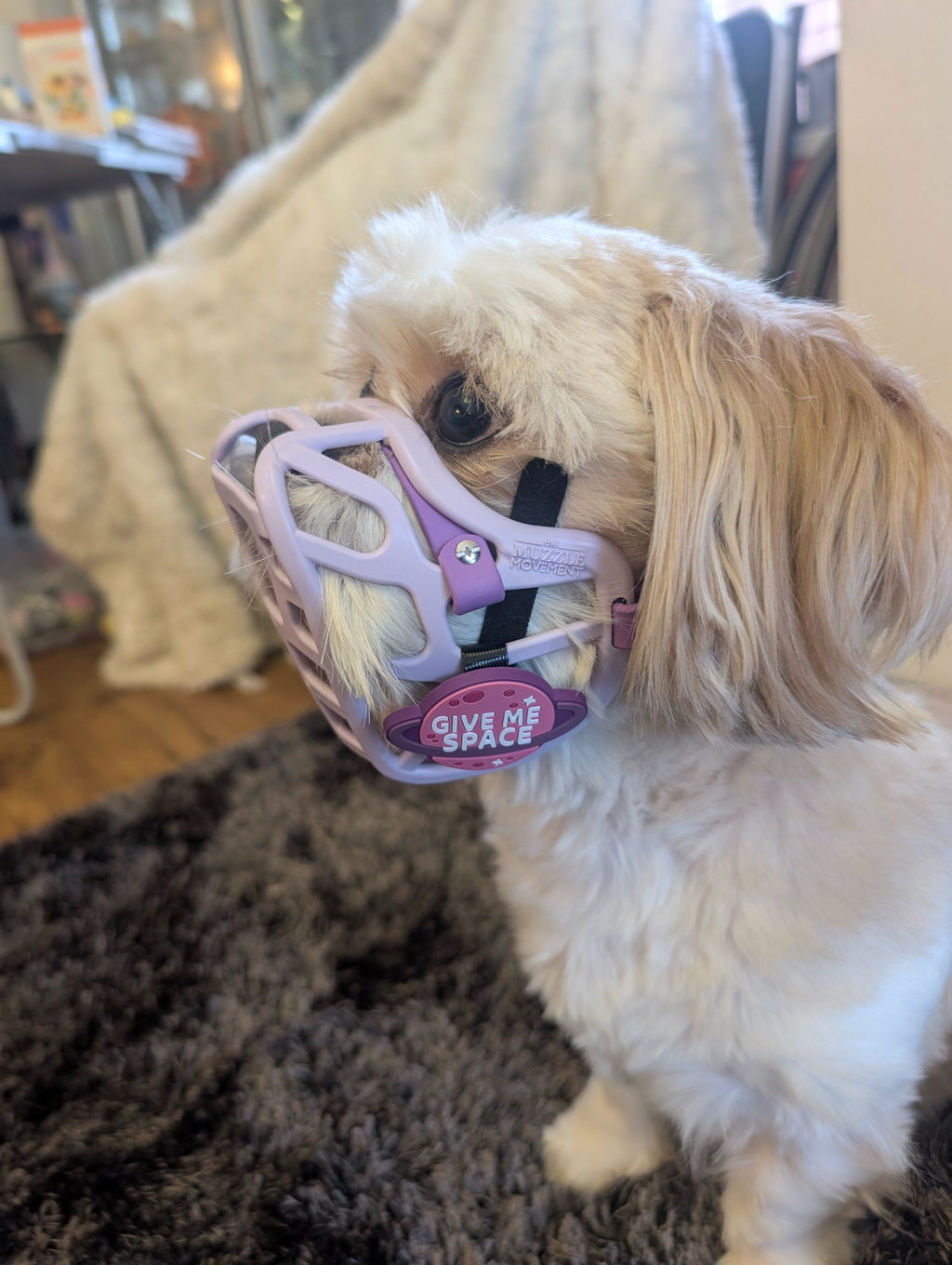
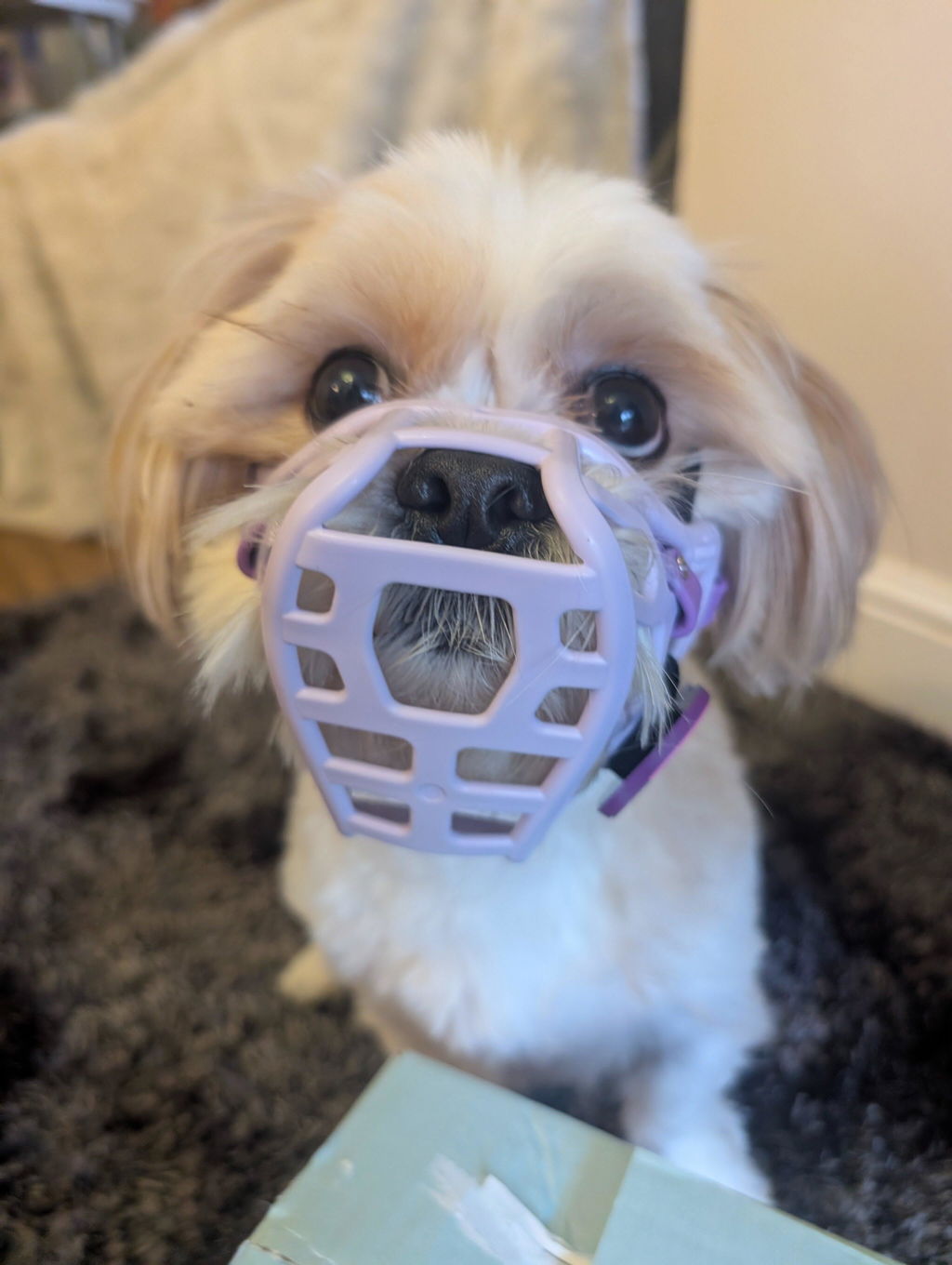
(Small Dog Behaviour, Safety & Welfare Guide) When people think about dog muzzles, they often picture large, powerful dogs. But this perception leaves a significant gap, not just in understanding, but in welfare. Small dogs have just as much need for appropriate, well-fitting muzzles, yet they’ve long been overlooked in both product design and public conversation. With the launch of our first muzzle sizes designed specifically for smaller dogs, we want to shine a light on why this matters, grounded not just in experience, but in evidence. Size Jimmy Dog Muzzle One of the biggest challenges for small dog guardians is simply finding equipment that fits. The market has historically catered to medium and large breeds, leaving small dogs, especially those with varied head shapes, underserved. So many small dogs, with big needs, have had such limited options! Size Mia Dog Muzzle Small dogs aren’t just “scaled-down” versions of bigger dogs. From short, wide faces to longer, narrower snouts, these differences require entirely different muzzle shapes. Without this consideration, fit, comfort, and safety are compromised. 🦴 The Myth of the “Harmless” Small Dog Small dogs are often not taken seriously when it comes to behaviour. Research shows they are frequently perceived as “more aggressive, excitable, anxious and fearful” than larger dogs (Arhant et al., 2010). But this perception doesn’t exist in a vacuum, it’s influenced by how they are handled and trained 📊 Smaller Size, Higher Risk: What the Research Shows In fact, smaller size is consistently linked with increased fear and aggression-related behaviours. Studies have found that as body size decreases, the likelihood of fearfulness and biting behaviour increases (Martínez et al., 2011; McGreevy et al., 2013). 🐕 Fear in Small Dogs: Misunderstood, Not Misbehaved Small dogs are also more likely to show fear of strangers and other dogs (Puurunen et al., 2020). This isn’t because small dogs are “worse” behaved, it’s because their needs are often misunderstood or unmet. ⚠️ When Behaviour Is Dismissed Instead of Respected Many people will laugh at a growling Chihuahua or even harass or goad them even more, rather than respecting their boundaries and considering the behaviour as the dogs asking for space and potentially escalating to biting. 📉 Inconsistent Training and Its Impact on Behaviour At the same time, small dogs are often trained and exercised less, and may receive less consistent behavioural guidance (Puurunen et al., 2020). This combination of less engagement, more inconsistency, and inappropriate training methods, can exacerbate behavioural challenges. ⚖️When Autonomy Is Taken Away Small dogs are far more likely to be physically managed by being picked up, restrained, or removed from situations, rather than supported through them. While this may seem protective, it can actually increase stress and reduce a dog’s ability to cope. It also removes their autonomy and ability to communicate. A muzzle offers an alternative. It allows a dog to remain in their environment, move freely, and be included if they are comfortable to do so, without escalating risk. Instead of being physically restrained, they can safely work through their big feelings with appropriate positive training and environmental management. 🐕 Health & Welfare Factors in Small Dogs Small dogs are also disproportionately affected by certain health issues, including dental disease and chronic pain conditions, which can influence behaviour and tolerance. Additionally, research shows that smaller, lighter dogs are more likely to display fear responses to stimuli such as noise and unfamiliar objects (Stone et al., 2016), and that shorter dogs may show more defensive aggression (Stone et al., 2016). Pain, fear, and stress all lower a dog’s threshold. In these contexts, a muzzle can make necessary care like veterinary treatment or grooming safer and less distressing if used alongside confidence building. ⚠️ Bite Risk and Misconceptions There’s a common belief that small dogs pose less risk, but the reality is more nuanced. Small dogs are actually overrepresented in certain bite statistics. For example, lower body weight has been associated with increased likelihood of biting (Guy et al., 2001), and aggression directed toward humans has been found to increase as dog size decreases (Martínez et al., 2011). Some small breeds (such as Dachshunds and Chihuahuas) have been reported to show higher rates of serious aggression toward both owners and strangers (Duffy et al., 2008). Importantly, bites from small dogs can still cause significant injury, particularly to young children. In fact, smaller dogs have been associated with frequent and sometimes more severe bite patterns in children under five(Arhant et al., 2010). At the same time, larger dogs are far more likely to be euthanised following aggression, highlighting a disparity in how risk is perceived and managed (Arhant et al., 2010). ✂️ When Do Small Dogs Need a Muzzle? Small dogs are often placed in situations where a muzzle could make a meaningful difference but this is rarely considered. Grooming: Small dogs are groomed far more frequently than many larger breeds. For dogs who are fearful, in pain, or sensitive to handling, a muzzle can reduce stress and risk for both the dog and the groomer. Remember, a muzzle shouldn’t be used to force a dog in a situation they are uncomfortable with and should be used alongside positive behaviour modification plans. Veterinary care: Fearful or painful dogs may react defensively. A muzzle allows procedures to be carried out safely and more calmly for essential treatment or emergencies. Travel and public transport: In many countries, muzzle laws apply to all dogs, regardless of size particularly on public transport. Small dogs are not exempt, and guardians need suitable options that actually fit when taking their dogs on holiday. In these scenarios, a muzzle isn’t a last resort but it’s a proactive welfare tool. 🧠 Muzzles as a Welfare Tool (Not a Last Resort) Muzzles are not about restriction - they’re about enabling safer, more positive experiences. 📊 Reduce pressure on guardians Reduce pressure on guardians worried about keeping others safe 🐕 Allow safer social exposure Allow dogs to stay in situations rather than being removed ⚠️ Support behaviour modification Support training and behaviour modification 📉 Enable necessary care Enable necessary care without escalation 🛠️ Choosing the Right Muzzle for a Small Dog Not all muzzles are suitable for small breeds 🐾 A Good Muzzle for Small Dogs should: A good muzzle for small dogs should: • Allow panting and drinking • Secure & Reliable Fit • Beable to reward with treats • Be lightweight and comfortable Because small dogs have unique anatomy, standard designs often don’t workwhich is why breed-appropriate sizing matters. TAKE THE SIZE QUIZ 🐶 Designed Specifically for Small Dogs The lack of suitable small dog muzzles has been a long-standing issue. That’s why we’ve developed our first range of muzzles designed specifically for smaller dogs, taking into account: • Varied head shapes • Comfort and safety • Real behavioural needs Because every dog, regardless of size deserves: • To feel safe • To be understood • To have access to appropriate equipment SHOP SMALL SIZE DOG MUZZLES 🐕 How to Introduce a Muzzle to your Dog A gentle, step-by-step guide to dog muzzle training. We want our dogs to see their muzzles as something positive, safe, and enjoyable, just like their lead or treat cupboard! We can build that same joyful association with the muzzle through reward-based muzzle training, pairing it with things your dog already loves, like treats, games, and playtime.. Does your dog get excited when you grab the lead or head toward the treat jar?  That’s a positive association at work, your dog has learned that those cues mean something fun is coming. READ MORE ABOUT INTRODUCING A DOG MUZZLE ❓ FAQs About Small Dog Muzzles Do small dogs need muzzles? Yes. Small dogs can experience fear, stress, and behavioural challenges just like larger dogs. A muzzle can support safety and training. Are muzzles safe for small dogs? When properly fitted and introduced positively, small dog muzzles are safe and humane. Will a muzzle stop my small dog’s behaviour? No. A muzzle is a management aid not a solution. It should be used alongside training and behaviour support. Can small dogs wear muzzles on public transport? Yes. In many places, muzzles are required regardless of dog size, so having a properly fitted option is essential. MORE HELPFUL BLOGS   References Arhant, C., Bubna-Littitz, H., Bartels, A., Futschik, A. and Troxler, J. (2010). Behaviour of smaller and larger dogs: Effects of training methods, inconsistency of owner behaviour and level of engagement in activities with the dog. Applied Animal Behaviour Science, 123(3–4), pp. 131–142. https://doi.org/10.1016/j.applanim.2010.01.003 Puurunen, J., Hakanen, E., Salonen, M., Mikkola, S., Sulkama, S., Araujo, C., Lohi, H. (2020). Inadequate socialisation, inactivity, and urban living environment are associated with social fearfulness in pet dogs. Scientific Reports, 10(1). https://doi.org/10.1038/s41598-020-60546-w Guy, N.C., Luescher, U.A., Dohoo, S.E., Spangler, E., Miller, J.B., Dohoo, I.R. and Bate, L.A. (2001). Risk factors for dog bites to owners in a general veterinary caseload. Applied Animal Behaviour Science, 74(1), pp. 29–42. https://doi.org/10.1016/S0168-1591(01)00154-X Overall, K.L. and Love, M. (2001). Dog bites to humans—demography, epidemiology, injury, and risk. Journal of the American Veterinary Medical Association, 218(12), pp. 1923–1934. Duffy, D.L., Hsu, Y. and Serpell, J.A. (2008). Breed differences in canine aggression. Applied Animal Behaviour Science, 114(3–4), pp. 441–460. https://doi.org/10.1016/j.applanim.2008.04.006 Martínez, Á.G., Santamarina Pernas, G., Diéguez Casalta, F.J., Suárez Rey, M.L. and De la Cruz Palomino, L.F. (2011). Risk factors associated with behavioral problems in dogs. Journal of Veterinary Behavior, 6(4), pp. 225–231. https://doi.org/10.1016/j.jveb.2011.01.006 McGreevy, P.D., Georgevsky, D., Carrasco, J., Valenzuela, M., Duffy, D.L. and Serpell, J.A. (2013). Dog behavior co-varies with height, bodyweight and skull shape. PLOS ONE, 8(12). https://doi.org/10.1371/journal.pone.0080529 Stone, H.R., McGreevy, P.D., Starling, M.J. and Forkman, B. (2016). Associations between domestic-dog morphology and behaviour scores in the Dog Mentality Assessment. PLOS ONE, 11(2). https://doi.org/10.1371/journal.pone.0149403

Dog Muzzle Fitting Day Highlights at TMM  HQ

Dog Muzzle Fitting Day Highlights at TMM HQ

by Bev Kirk on Aug 11 2026
Dates are released in the first week of each month, for the following month Our fitting days are a great opportunity for you to see and try our muzzles to see if any of the sizes may fit your dog. You can pay for and take away several sizes on the day, choose your colours and we will make it for you there and then! Don't worry if your dog has never worn a muzzle before, we will make it a positive, fun experience for your dog! The team includes experienced and accredited trainers/behaviourists so muzzle fitting of the dogs will be made fun, with lots of food, positive reinforcement and we have a good understanding of dog body language. Book Here The appointments are for 30 minutes and there will be no other dogs in the same room at that time. We will be using treats so please let us know in advance if your dog has any allergies or dietary issues. You will complete a form when booking to allow us get a few details about your dog and permission to use the photos/videos taken of your dog on our social media, website and in marketing materials. We are taking a small booking fee for fittings of £5 per appointment. This fee is non-refundable for cancellations. The fee cannot be refunded if we are unable to find a muzzle suitable for your dog. In addition to this, we have collated a useful map for you to find a muzzle fitting near you, run by independent dog professionals! These force-free professionals all have an affiliate membership with The Muzzle Movement, as well as a selection of muzzles for you to try on! The Muzzle Movement 2026 Fitting Day Rewinds Following on from a brilliant 2025, here's what's happened at HQ so far this year. January January Fitting Day Fantastic fitting day at The Muzzle Movement! Thank you to everyone who joined us and trusted us to help find the perfect muzzle fit for their dogs. Read more Our fitting days give dogs and their guardians the chance to try different muzzle sizes, choose their favourite colours, and get expert fitting advice from our experienced team. From first-time muzzle wearers to seasoned pros, every dog is supported with positive reinforcement, plenty of treats, and a stress-free experience. Interested in booking your own fitting session? We hold regular fitting days at our Leicestershire workshop and at selected events throughout the year. February February Fitting Day Our fitting days give dogs and their guardians the chance to try different muzzle sizes, choose their favourite colours, and get expert fitting advice from our experienced team. Read more From first-time muzzle wearers to seasoned pros, every dog is supported with positive reinforcement, plenty of treats, and a stress-free experience. Interested in booking your own fitting session? We hold regular fitting days at our Leicestershire workshop and at selected events throughout the year. March March Fitting Day From first-time muzzle wearers to seasoned pros, every dog is supported with positive reinforcement, plenty of treats, and a stress-free experience. Read more Interested in booking your own fitting session? We hold regular fitting days at our Leicestershire workshop and at selected events throughout the year. April April Fitting Day Interested in booking your own fitting session? We hold regular fitting days at our Leicestershire workshop and at selected events throughout the year. Read more 📅 Book your fitting here: https://calendly.com/muzzles/muzzle-f... May May Fitting Day Interested in booking your own fitting session? We hold regular fitting days at our Leicestershire workshop and at selected events throughout the year. Read more 📅 Book your fitting here: https://calendly.com/muzzles/muzzle-f... June June Fitting Day 📅 Book your fitting here: https://calendly.com/muzzles/muzzle-f... Read more Our fitting days give dogs and their guardians the chance to try different muzzle sizes, choose their favourite colours, and get expert fitting advice from our experienced team. July July Fitting Day It doesn’t matter if your dog isn’t muzzle trained yet, is nervous, or needs extra space and a completely hands-off fitting, we’ll take things at your dog’s pace and accommodate you both in every way we can. Read more In July, we welcomed 15 dogs and their guardians who travelled to us for a professional muzzle fitting. Whether your dog needs a muzzle for walks, scavenging, playtime, vet visits or any other reason, we’re always happy to help find an ethical, comfortable and well-fitting option. The Muzzle Movement 2025 Fitting Day Rewinds A year of wagging tails, careful adjustments and hard-won trust, twelve months of Muzzle Fitting Days at HQ, one video from each. January January Fitting Day Highlights Take a peek behind the scenes with our video highlights from the 2025 Muzzle Fitting Days! From happy dogs finding their perfect fit to helpful tips from our expert team. Read more Our team is ready to welcome you and your canine clients to experience firsthand how our muzzles combine comfort, safety, and style. Whether you're new to muzzle fitting or a seasoned pro, there's something for everyone. January Our Second Fitting Day in January We had an amazing day fitting our customizable dog muzzles on some truly gorgeous dogs, with some travelling over two hours to see us! Read more Our muzzles can be adjusted, widened by boiling or narrowed with a cable tie for the perfect fit. That's why correct sizing is key. Read our full adjustment guide → February An Incredible February at HQ Hosting not one but two more fitting days! So many amazing dogs (and their devoted guardians) walked away with perfectly fitted muzzles. Read more The stunning range of biothane strapping colours made each fit even more striking. If HQ is a bit too far, our Affiliate Fitters and Trade Partners are now on the map. Find a fitter near you → March First Fitting Day of March — Pancakes & Paws We were thrilled to welcome wonderful visitors who travelled to see our fitting experts, Annie and Meg, meeting breeds we hadn't seen at HQ before. Read more Of course, the dogs loved their pancakes too. Look out for Finn, our first dog of the day, he's showing at Crufts! March Second Fitting Day of March A fantastic selection of breeds joined us, and we managed to find a muzzle for life for all but one, little Fox Face proved a tricky fit. Read more Her guardian's glowing review made our day regardless. The real Pippa herself popped in to try on our Pippa-size prototype, making the day extra special. See our new sizes → April April's Joyful Day of Muzzle Magic An unforgettable fitting day filled with wagging tails, happy faces, and an incredible variety of dogs and their devoted guardians. Read more We shared training tips, swapped stories, and yes, there was even cake. A joyful celebration of connection and care. April Double the Dogs, Double the Joy A huge thank you to Aimee and her mum, who brought along Diesel and Daisy, and surprised the team with cake for Meg and Annie! Read more A fabulous midweek treat for the whole Muzzle Movement team. A day full of tail wags, laughter, and perfect fits, exactly what we love. May Behind the Scenes: May's Fitting Days So many visitors travelled to HQ for our two May fitting days, from customers bringing in existing muzzles for a size check. Read more Others sought the expert reassurance of Annie, Meg, and Robyn. Whether confirming the right size or adding an extra strap for security, every visitor left with confidence. June A Celebration of Connection and Comfort From wiggly puppies to wise seniors, nervous first-timers to seasoned pros, each dog brought something special. Read more With gentle guidance and plenty of positive reinforcement, we helped every dog turn curiosity into comfort. These days reflect our mission: welfare-first, stigma-free solutions for every dog and lifestyle. Summer Summer Fitting Days — 2–3 Hours, No Problem This summer we stayed extra mindful of the heat, only hosting fittings when safe and comfortable for dogs and guardians alike. Read more Even so, people continued to travel 2–3 hours for a personal fitting, confidence checks, destination-country prep, and brand-new friends alike. However you arrive, we're here to champion you and your dog. October Miles Travelled, Trust Shared Two full days, 19 dogs and their guardians, many travelling considerable distances to see us. Read more Meg and Annie met an incredible mix, from a Romanian rescue to Cockapoos, Border Collies, Staffy crosses and Alaskan Malamutes. Some dogs even tried the up-and-coming Size Jimmy prototype, due for release in 2026. November Two Days, 28 Dogs, Countless Wins Across two fully booked days, we welcomed 28 dogs and their guardians, each with their own story. Read more Every dog left with a well-fitted muzzle and a clearer path forward. From first-time introductions to refining fit for seasoned wearers, it's about confidence, education, and changing how muzzles are experienced. December A Kind End to a Busy Year With Size Pippa muzzles arriving at HQ, the team were busy packing orders, but still held one fitting day. Read more 10 dogs and their guardians joined Kasey, our newest team member, alongside Annie. With Christmas gifts for every dog and plenty of reassurance, it felt less like an appointment and more like a celebration, a lovely way to close out our 2025 fitting days. Thank you to every dog and guardian who joined us in 2025.
Introducing Measuring Tools to Your Dog: A Gentle Guide to Muzzle Fitting

Introducing Measuring Tools to Your Dog: A Gentle Guide to Muzzle Fitting

by Annie Dowell-Caffrey on Aug 18 2025
When it comes to choosing the perfect-fitting dog muzzle, accurate measurements are key. But before grabbing your tape measure, it’s essential to help your dog feel safe and relaxed around these unfamiliar tools. This guide will walk you through how to measure your dog for a muzzle using both traditional and alternative methods, all designed to be dog-friendly, low-stress, and positive.   🧰 What Tools Will You Need to Measure Your Dog for a Muzzle? To get the most accurate fit, gather the following ✅ Soft Measuring Tape (preferred for flexibility and comfort) ✅ Flexible or Flat Ruler ✅ High-value Treats (essential for positive reinforcement!) Optional or alternative tools for sensitive dogs: 🥣 Clean, empty large yoghurt pot (great for nose targeting) 📏 Cutting mat with printed measurements (ideal for visual, contact-free measuring) 🐶 Step-by-Step: How to Introduce Measuring Tools to Your Dog 1. Let Your Dog Explore the Measuring Tools Lay the tape measure or ruler on the ground and let your dog sniff and check it out. Pro tip: Pair curiosity with treats and happy praise! 2. Associate the Tools with Positive Experiences Hold the tools near your dog, but don’t use them just yet. Reward calm behaviour with treats, affection, or play. This helps build a positive association with muzzle measuring tools. 3. Desensitise Gently and Gradually Start by touching your dog with the tool on low-sensitivity areas like their back or shoulders. Work slowly toward the face and muzzle, rewarding along the way. 4. Keep It Short and Sweet Limit each session to about 5 minutes. Always stop while your dog is still comfortable and engaged, even if you haven’t completed the full measurement yet. 🐾 Dog-Friendly Alternatives to Traditional Measuring Tools Alternative #1: Yoghurt Pot Nose Targeting For dogs who are nervous about rulers or tape measures, a yoghurt pot can provide a pressure-free, fun alternative. How to Use: Use a clean, empty large yoghurt pot that fits over your dog’s snout. Place a treat or a smear of peanut butter inside the bottom of the pot. Let your dog voluntarily place their nose inside. With repetition, your dog will learn to target the pot confidently. How to Estimate Muzzle Size: Mark where the snout reaches inside the pot. Measure the pot’s opening for snout width. Use these reference points to estimate snout length and width. Remember, we need the widest points of the cheeks for the width measurement, so you’ll need to estimate that based on the width of the pot opening. 🐕 This hands-off approach is great for dogs sensitive to physical contact on the face. Alternative #2: Cutting Board Chin Rest Another clever trick is to use a cutting board or measuring mat with a printed ruler or grid. How to Use: Place a cutting mat or board with printed measurements on a surface level with your dog’s head (a stool, low table, or bench works well). Encourage your dog to rest their chin on the board using treats. Once your dog is comfortable, gently note where their nose starts and ends on the measurement grid. You may find it easier to set up a tripod for your phone to record a video, which you can then look back on and pause to take the measurements. Why This Works: No rulers or tape touching the dog. The chin rest position is calming and stationary, making it easier to get consistent measurements. Great for visual learners - what you see is what you get! 📸 Capture the Perfect Measurement Whether you're using traditional tools or alternative methods, recording the session can be incredibly helpful. Photos and videos: Lets you double-check accuracy Provide visual references of your dog’s face shape Can be shared with our expert team for fitting support 🎥 Tip: Aim for straight-on photos (not angled), showing the full face, snout length, and width. 💡 Bonus Tips for a Calm Measuring Session 👥 Ask a helper to assist – one person measures, the other rewards 🎉 Make it a game – treat frequently, keep it fun! ⏳ Go at your dog’s pace – no pressure 📷 Set up your phone on a tripod to film hands-free. Ensuring to capture the measurements clearly, the full face of the dog and images taken straight on, not from an angle. These can be used to review afterwards or sent to us for a second opinion. Measuring Small Dogs for a Muzzle Extra Considerations for Tiny Faces, Big Feelings & Fluffy Coats 🐶 Measuring a small dog for a muzzle can come with a few unique challenges. Tiny faces, fluffy coats, prominent eyes and sensitive handling can all make the process feel a little more complicated, but with the right approach, it can absolutely be done gently and accurately. READ MORE HERE   🐕 Ready to Choose the Right Dog Muzzle? Once you’ve taken your measurements (or best estimates), you’re ready to explore muzzle options that are both safe and comfortable for your dog.  Visit our Dog Muzzle Sizing Guide to match your measurements with the right muzzle style.   Still unsure? Email your photos, videos, and measurements to support@themuzzlemovement.com – our sizing experts are happy to help. If you would like more guidance on how to measure the length, height and width, our blog on what makes a well fitting muzzle will help.   Follow the instructions carefully: Accurate measurements are essential for the right fit. Check your measurements twice: Incorrect measurements can lead to the wrong size being recommended by the quiz. Use the sizing chart or quiz for guidance: This will help ensure you select the perfect muzzle for your dog. If you're struggling or need assistance, don’t hesitate to contact us at support@themuzzlemovement.com.    One-Fit-Review Policy Please ensure you have provided your dog's measurements and any photos showing how you measured. This helps us support you quickly and accurately. To help us give every dog the time and care they deserve, we usually offer one sizing recommendation per dog. If you're unsure, please wait until you have your final measurements and photos ready before contacting us, this helps avoid duplicate reviews and means we can support everyone faster 🐾 We are a small team working extra hard to ensure your muzzles arrive as quickly as possible. It can take us up to 3 working days to reply to your query. Any future assistance we offer will be as post-purchase support only. We won’t be able to offer a new sizing review based on updated or changed measurements.